
English version machine-translated from the Vietnamese original — under review.
On the "electrical trade" and fire and explosion safety in construction
Recently, a series of tragic fires have occurred, 70–80% of which were found to be caused by electrical short circuits. This raises a major question about the electrical installation capability on residential and even industrial projects in Vietnam.
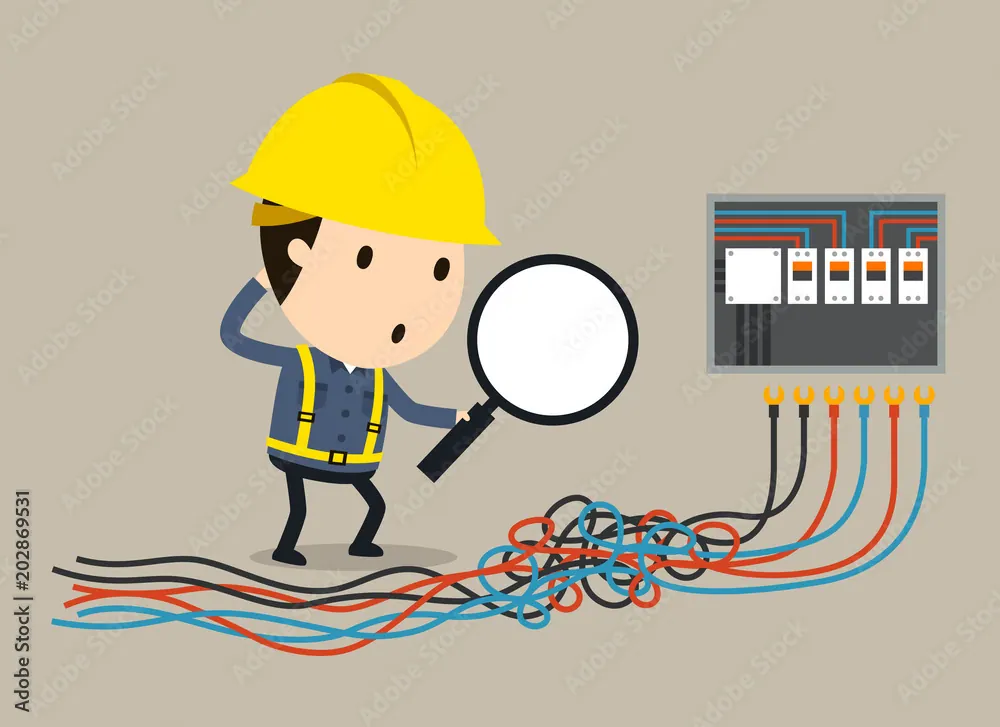
In practice, the "hire a crew – hand over everything" model is very common among MEP contractors. These "crews" are usually led by a single "foreman" with some experience, while the workers are mostly unskilled labourers from rural villages, with no qualifications and no formal training. Electrical installation in the style of "shorten the cable – run it fast – just get it done" has resulted in countless tangled, overlapping electrical systems with no fire-resistant conduit, no rodent protection, overcurrent protection devices (MCB, ELCB) that are not up to standard, conductors smaller than required, and wires joined by twisting the two ends together and then wrapping them carelessly in electrical tape… The dangerous part is that they genuinely, and quite innocently, believe "this meets the requirements", rather than deliberately doing a sloppy job…
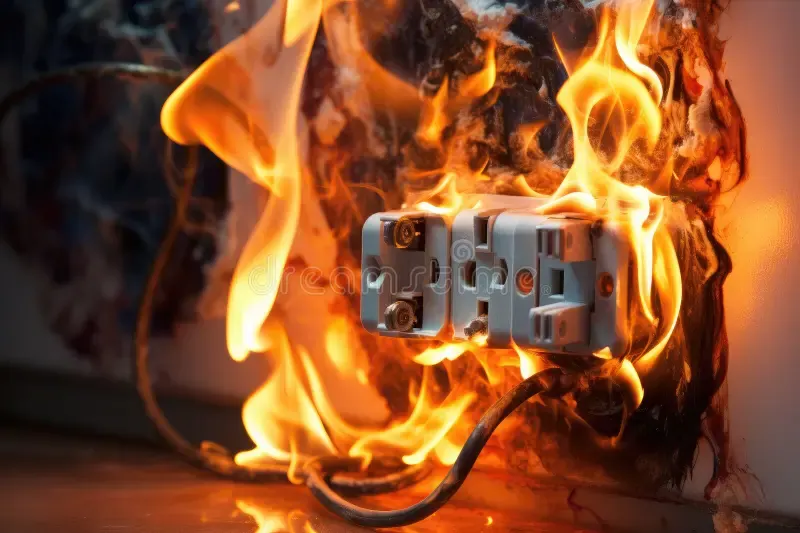
Many of our fellow "Electrical Workers" do not know the concept of "trade principles" — only "fast, cheap, quick" is a given. And the price to pay is people's lives and property, which they never even imagine could be their fault...
✍️ It is time for us to look at this frankly:
- The electrical trade must be regulated as in advanced countries: electricians need formal training qualifications and a practising licence.
- Electrical systems must be designed – supervised – inspected and accepted to technical standards, especially in residential buildings and apartment blocks.
- Project owners must seriously verify the capability of installation crews, instead of handing over a turnkey contract along with all their trust.
Raising the standards of the electrical trade not only helps protect the community, but is also a way to add real value to Vietnam's MEP industry – an industry that deserves to be practised professionally and responsibly.