
Technical blog
69 technical articles
 VIDEO
Video: Starduct's AI assistants Lê Na & Gemma
Two AI assistants working alongside the Starduct team, distributors and customers — from answering on the website and BOQ take-off to standard quotations, design and production — under four principles of trust in engineering data.
Watch video → VIDEO
Video: the Starduct operation and maintenance training programme
Starduct's open, free training programme: seven product-line courses, manuals, slides and self-study videos, Q&A with Lê Na, an online test and a certificate with a QR code.
Watch video →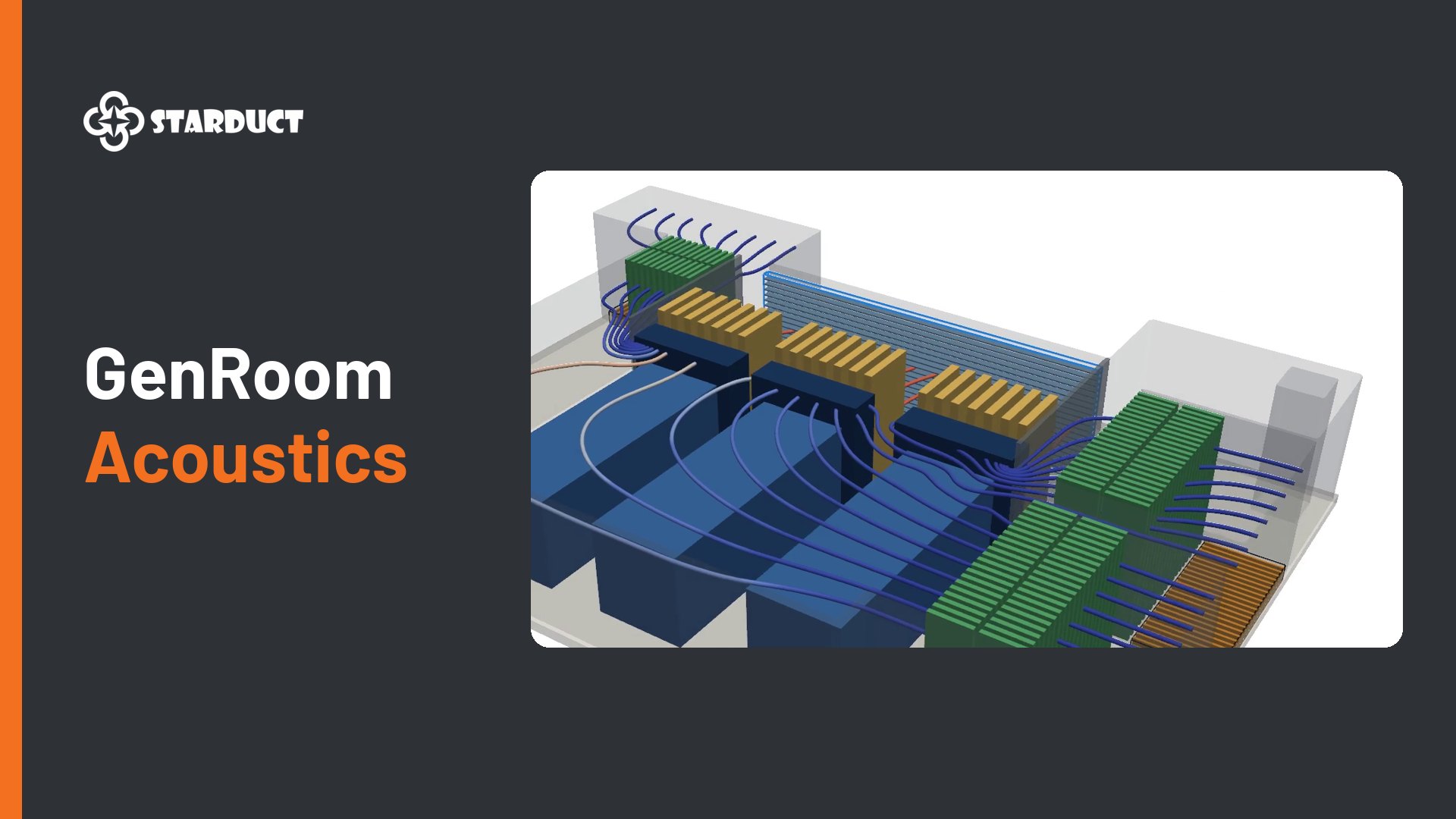 VIDEO
GenRoom Acoustics: plant-room noise and ventilation in one workflow
A 5-minute video: the Starduct engineering team uses GenRoom to calculate noise paths, simulate airflow, heat and sound fields, request detailed CFD and issue documents for generator rooms, chillers and cooling towers. Real example: Hanoi Parc.
Watch video →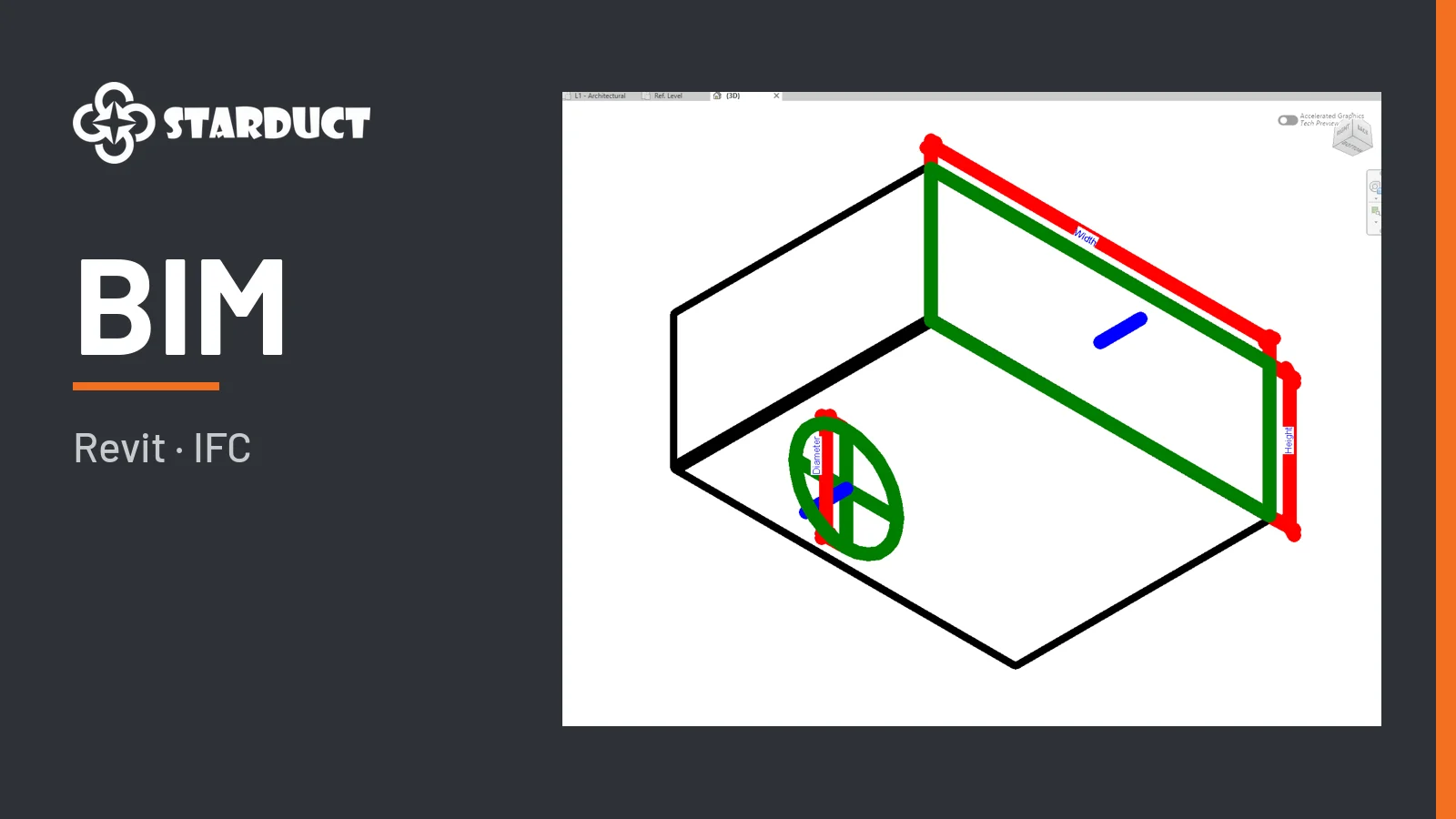 VIDEO
Introducing the Starduct BIM library
Revit families that carry the same code and data as the catalogue, selection tools and orders: per-size order codes, one shared STD_ parameter set, stated data sources, preset IFC, direct download from product pages, and VAV units sent to Revit with their operating point.
Watch video →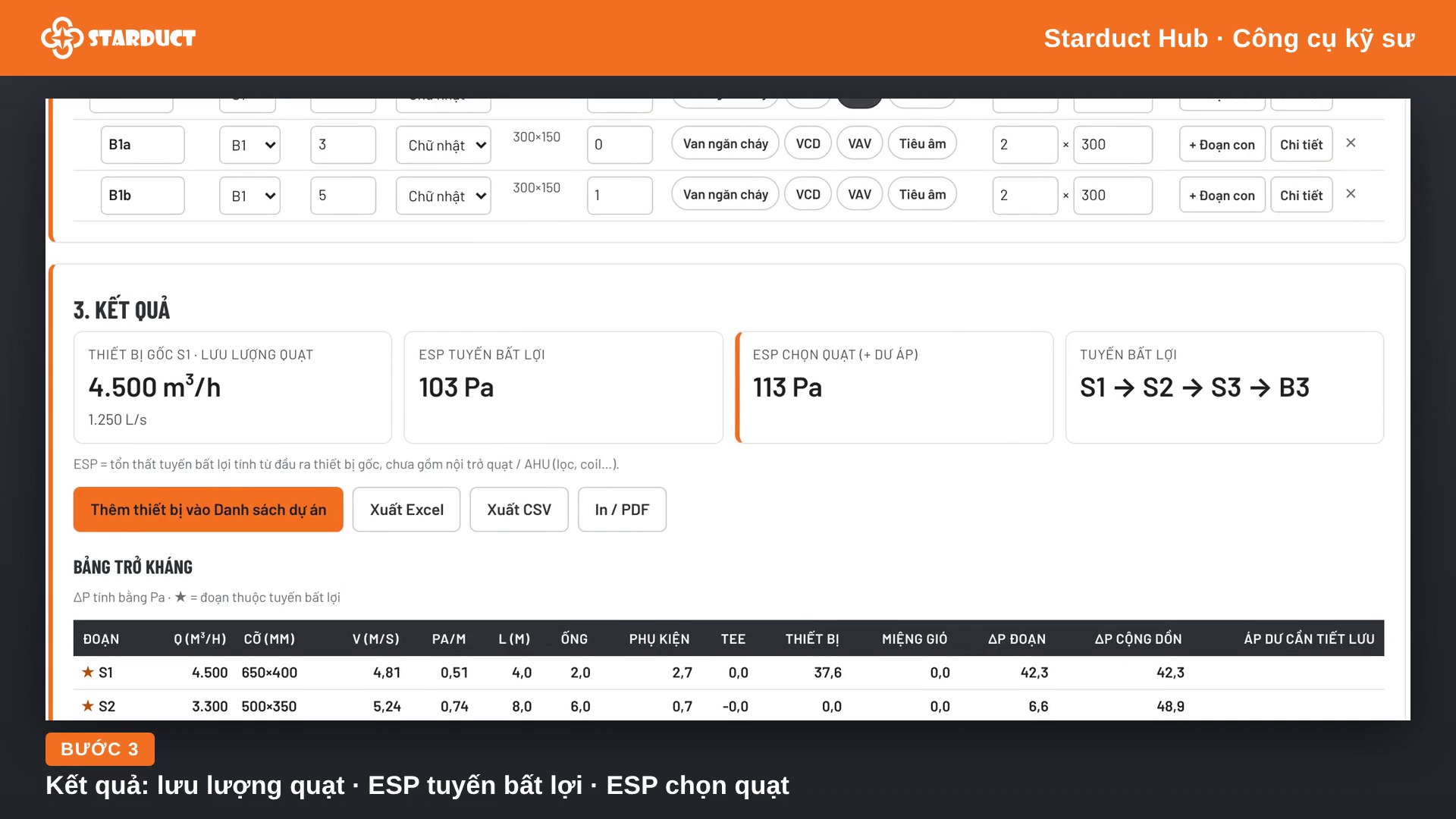 VIDEO
Duct system calculator on the web: from the fan to the outlets on one page
A 3-minute video introducing the duct system calculator on Starduct Hub: lay out the run, size the ducts, compute losses, pick Starduct devices with order codes and get the bill of quantities.
Watch video →
Spec for what?
Specification is what you want or you test your skills
Read →
The Era of Smart VAV: IoT and Digital Integration
The integration of IoT and digital control is driving a revolution in the VAV terminal equipment market, transforming them from simple mechanical devices into smart components within modern building architectures.
Read →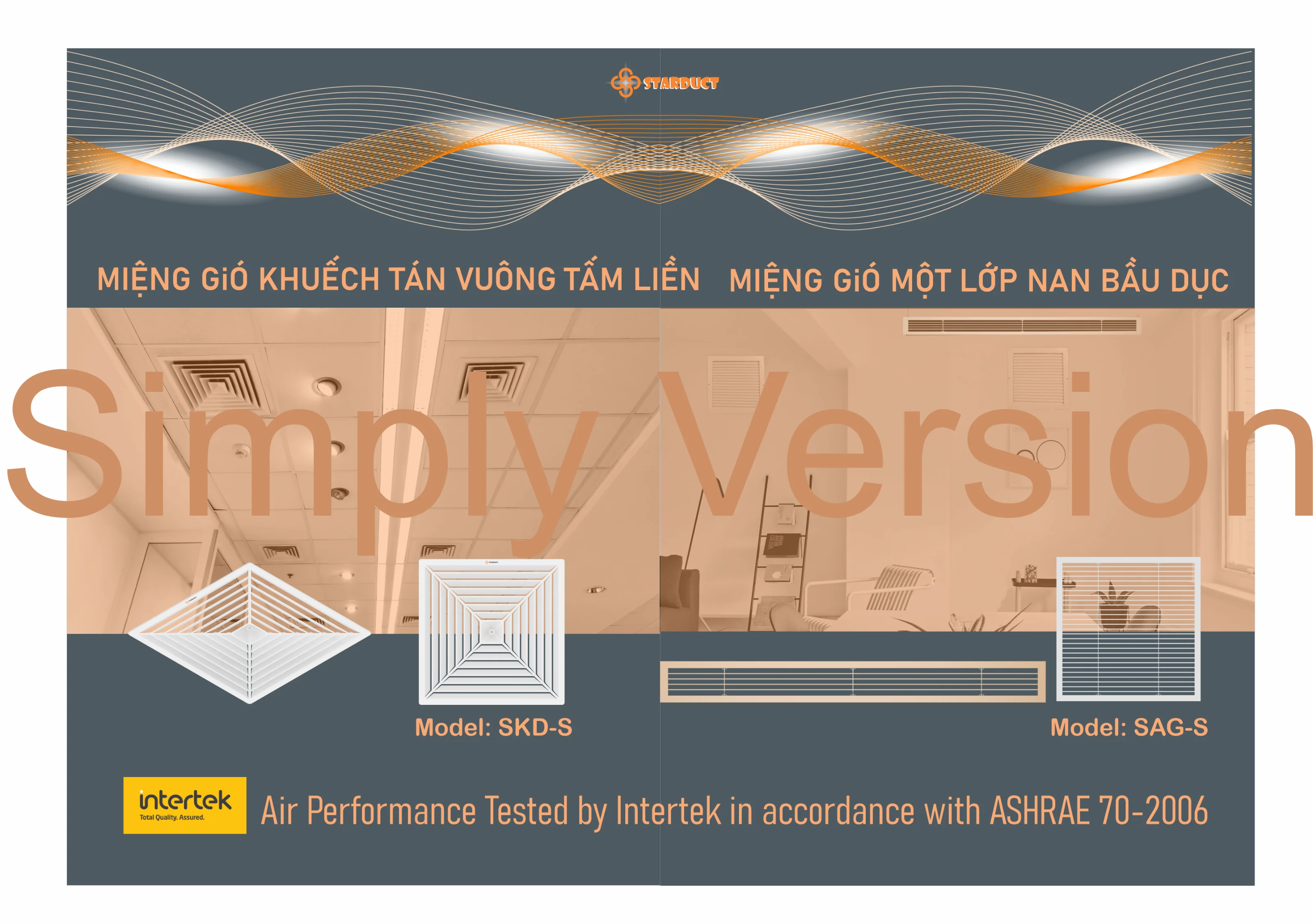
Stamping Square Diffuser SKD-S
1 piece stamping
Read →
Technical Analysis: Air Leakage Test Results – VAV Box Model SVAV-S-06
This test result confirms that the Starduct–Belimo VAV Box not only meets but exceeds international standards, proving NSCA’s world-class expertise in HVAC product design and precision manufacturing.
Read →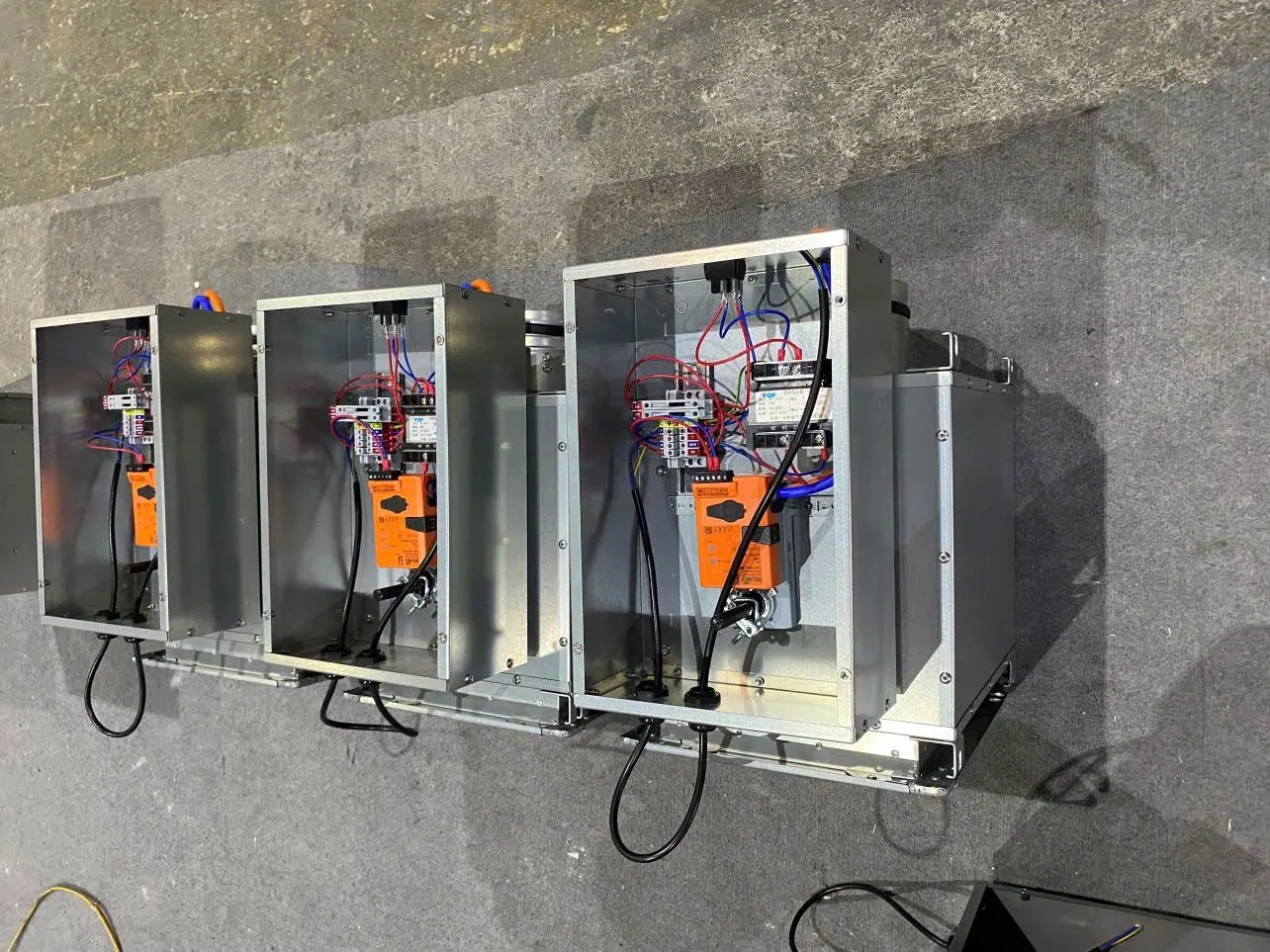
Part 30: VAV SYSTEM INSTALLATION AND CONFIGURATION
A comprehensive overview of the processes related to Starduct–Belimo VAV (Variable Air Volume) Boxes, including quality inspection and system integration.
Read →
Part 23: Sample Specification for High-Performance VAV Systems
This specification provides a comprehensive framework for the design, equipment selection and construction of high-performance VAV systems
Read →
Part 24: Overview of Ductwork Design and VAV Box Selection
VAV (Variable Air Volume) systems play a central role in air-conditioning modern buildings
Read →
Part 25: VAV System Design Methods to Optimise Cost and Performance
The main optimisation methods covered include four Design Tips and guidance on VAV duct design.
Read →
Part 26: Factors Affecting Ductwork and VAV Box Sizing to Minimise Investment Cost
Sizing ductwork and VAV boxes aims to balance First Cost and Annual Costs, especially energy costs, in order to minimise Life-Cycle Costs (LCCs)
Read →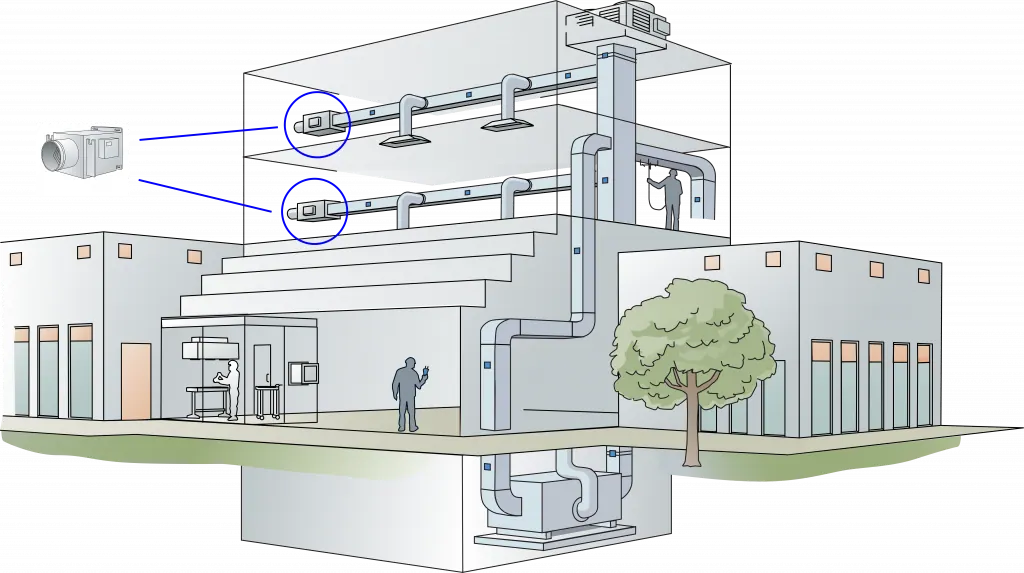
Part 27: What Is the Role of VAV Box Inlet and Discharge Duct Design Factors in System Performance?
Based on the source documents, the design of the inlet duct and discharge duct of a VAV box plays a very important role in system performance (including pressure drop, life-cycle cost and noise).
Read →
Part 28: 4 Game-Changing VAV System Design Tips
ASHRAE Guideline 36 arrived as a revolutionary solution. The aim of this guideline is for the industry's leading experts to create and maintain advanced sequences of operation
Read →
Part 29: How do multi-zone and single-zone VAV systems fundamentally differ in structure and application?
The fundamental difference between a multi-zone VAV system (Multi-Zone VAV) and a single-zone VAV system (Single-Zone VAV) lies in their air distribution and control structure, as well as their scope of application
Read →
Part 21: HVAC VAV System Design – Basis and Applicable Standards
When designing a VAV system, multiple industry standards and local codes must be referenced together to ensure the system meets technical, safety and performance requirements.
Read →
Part 22: Implementation Stages of an HVAC System Using VAV Boxes
Implementing an HVAC system with VAV boxes requires tight management through every stage, from design and installation to operation. Each step has clear objectives and complies with technical standards (ASHRAE, TCVN, SMACNA, etc.)
Read →
PART 19: Life Cycle Cost (LCC) Analysis of HVAC Systems
LCC helps project owners look beyond the initial investment cost (CAPEX) to assess the overall cost of owning a system throughout its service life, including investment cost, operating (energy) cost and maintenance cost.
Read →
PART 16: WHY CAN VAV BOXES AFFECT ENERGY SAVINGS IN AN HVAC VAV BOX SYSTEM?
The Variable Air Volume (VAV) system is an advanced ventilation system commonly used in modern buildings, achieving energy efficiency and individual temperature control through a mechanism that adjusts the airflow rather than the supply air temperature
Read →
Part 15: What Is the Minimum Operating Pressure (MOP) of a VAV Box?
• It is the minimum differential pressure across the VAV box required for the airflow sensor (usually a pitot cross/venturi, sometimes hot-wire) and the controller to measure & control accurately.
Read →
COLOUR DURABILITY WARRANTY FOR THE POWDER COATING
The air-conditioning air outlet (grille) is a terminal product of the HVAC and ventilation system; it represents the aesthetics and architecture of this system in the elegant interior spaces of a building. It must therefore always be clean, attractive, refined and aesthetically durable.
Read →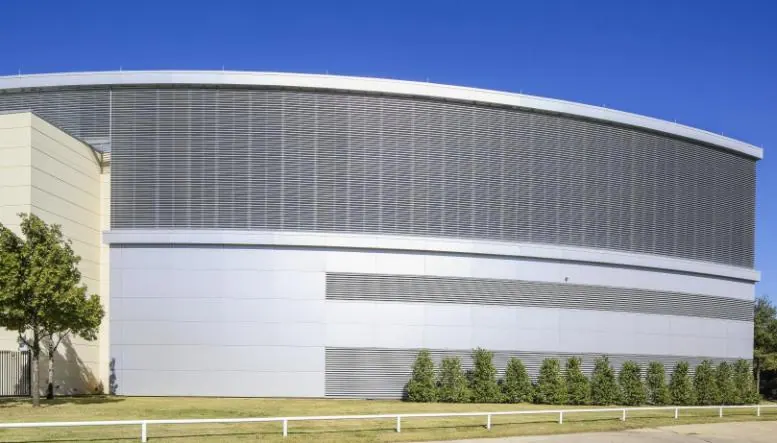
LOUVER SELECTION CALCULATION
In an HVAC system, a louver is not just a “wind screen” but also a barrier that protects equipment and interior spaces from wind-driven rain and dust, while ensuring the required airflow.
Read →
PART 14: Combining ASHRAE Standards 62.1 and 90.1 in Heating, Ventilation and Air Conditioning (HVAC) System Design
Engineers often face challenges when trying to meet both standards at the same time. However, a Trane technical document has shown that, with proper system design and control, both objectives can be achieved effectively.
Read →
INDOOR AIR QUALITY (IAQ) AND WHAT'S NEW IN ASHRAE 62.1-2022
ASHRAE 62.1: The primary standard for commercial/high-occupancy buildings, specifying the minimum outdoor air flow rate for each space, with the aim of ensuring air quality, health and energy efficiency.
Read →
PART 11: AIR LEAKAGE CRITERIA IN VAV BOX SYSTEMS (VAV BOX AIR LEAKAGE)
A summary of the requirements for testing and evaluating air leakage through the casing and the damper/valve of variable air volume (VAV) terminal units, and the permissible limits
Read →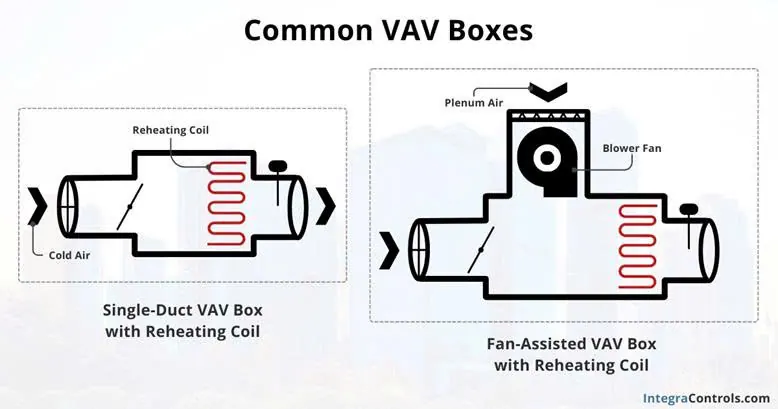
Part 10: Multi-Zone Variable Air Volume (VAV) System?
A multi-zone variable air volume (VAV) system is a type of heating, ventilating, and air conditioning (HVAC) system designed to ensure space comfort in large facilities and commercial buildings
Read →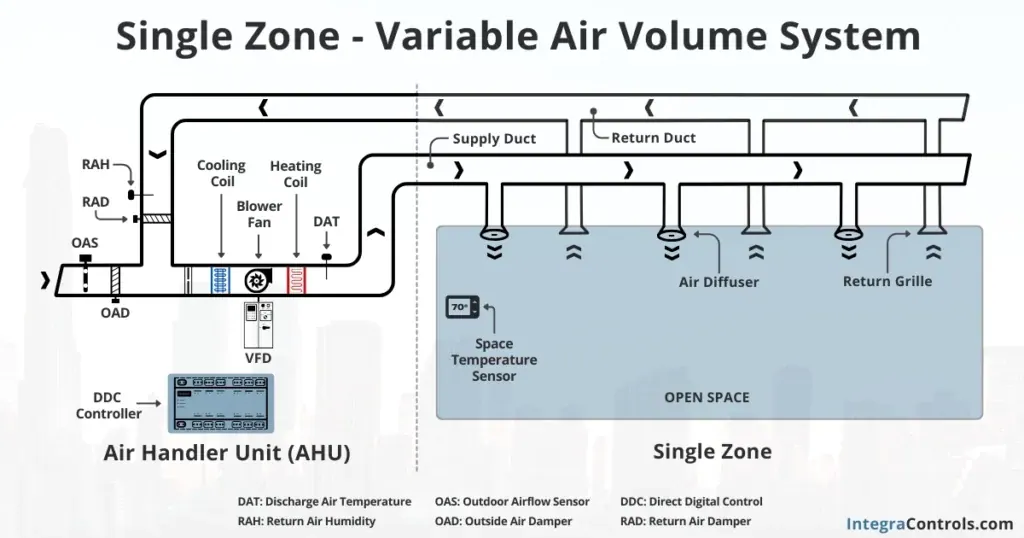
PART 9: SINGLE ZONE VAV SYSTEM
The single zone VAV system, an advanced HVAC solution designed for large open spaces in commercial buildings.
Read →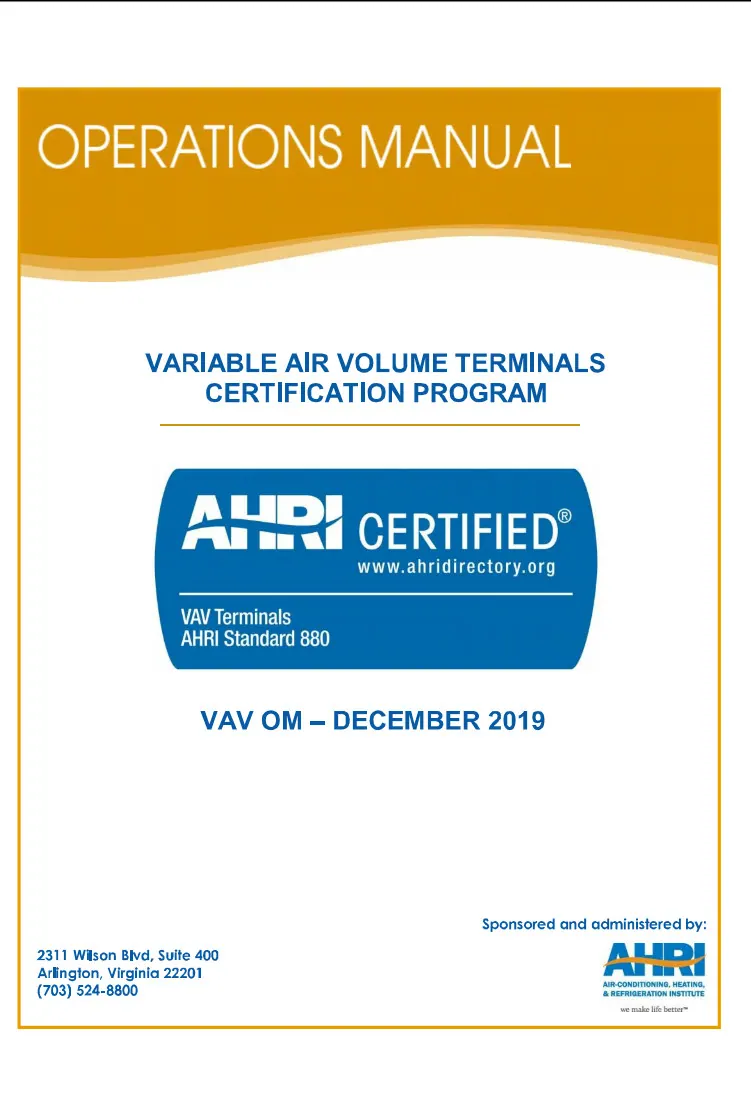
PART 12: ANALYSIS OF VAV BOX TEST RESULTS (AIR LEAKAGE RATING)
Analysis of the Closed Blade Air Leakage Test results of a 200mm VAV Box, compared against current technical standards: ASHRAE 130, AHRI 880 and BS EN 1751:1999.
Read →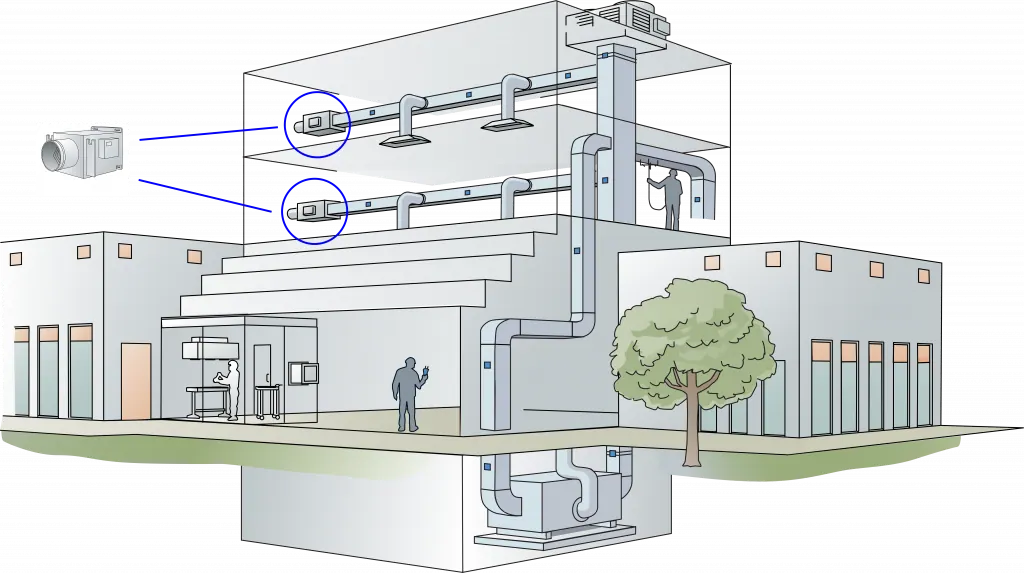
PART 7: CALCULATING AIRFLOW, PRESSURE AND SELECTING VAV BOXES
Accurate calculation of airflow, pressure, and selecting the appropriate VAV type is essential for achieving operational efficiency, energy savings, and desired indoor air quality.
Read →
LUXURY APARTMENTS AND HOW TO IDENTIFY THEM FROM A TECHNICAL PERSPECTIVE
"Luxury is not in the stone cladding or the ceiling lights – it is in the technical systems behind the walls"
Read →
FIRE PREVENTION FROM THE PERSPECTIVE OF SAFE ELECTRICAL SYSTEM INSTALLATION
Recently, a series of tragic fires have occurred, 70–80% of which were found to be caused by electrical short circuits. This raises a major question about the electrical installation capability on residential and even industrial projects in Vietnam.
Read →
VAV SYSTEM DESIGN STANDARDS
Understanding the standards—designing it right from the start—is the foundation for young engineers to confidently create VAV systems that meet comfort, energy efficiency, and sustainability goals.
Read →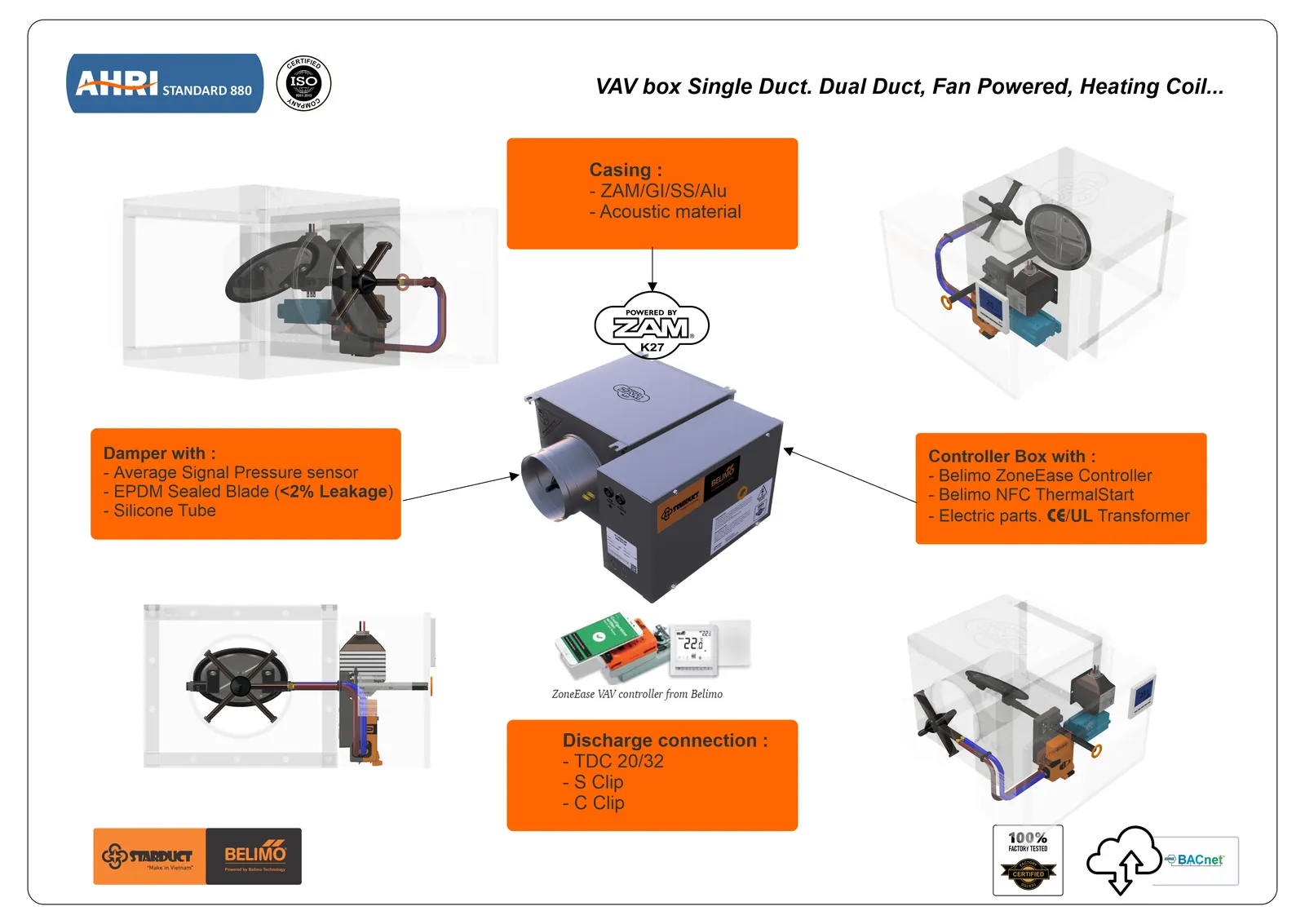
How Does a VAV Box Work?
To understand and design a VAV (Variable Air Volume) system, it's essential to grasp the operating principles of a VAV Box and the formulas used in its control algorithms.
Read →
PART 5: Sales Consulting Skills for VAV Box Products
In short, a good sales engineer needs to listen to the customer's specific needs, identify their priorities (cost, comfort, aesthetics, energy savings, new technology…) and then adjust the focus of the presentation accordingly.
Read →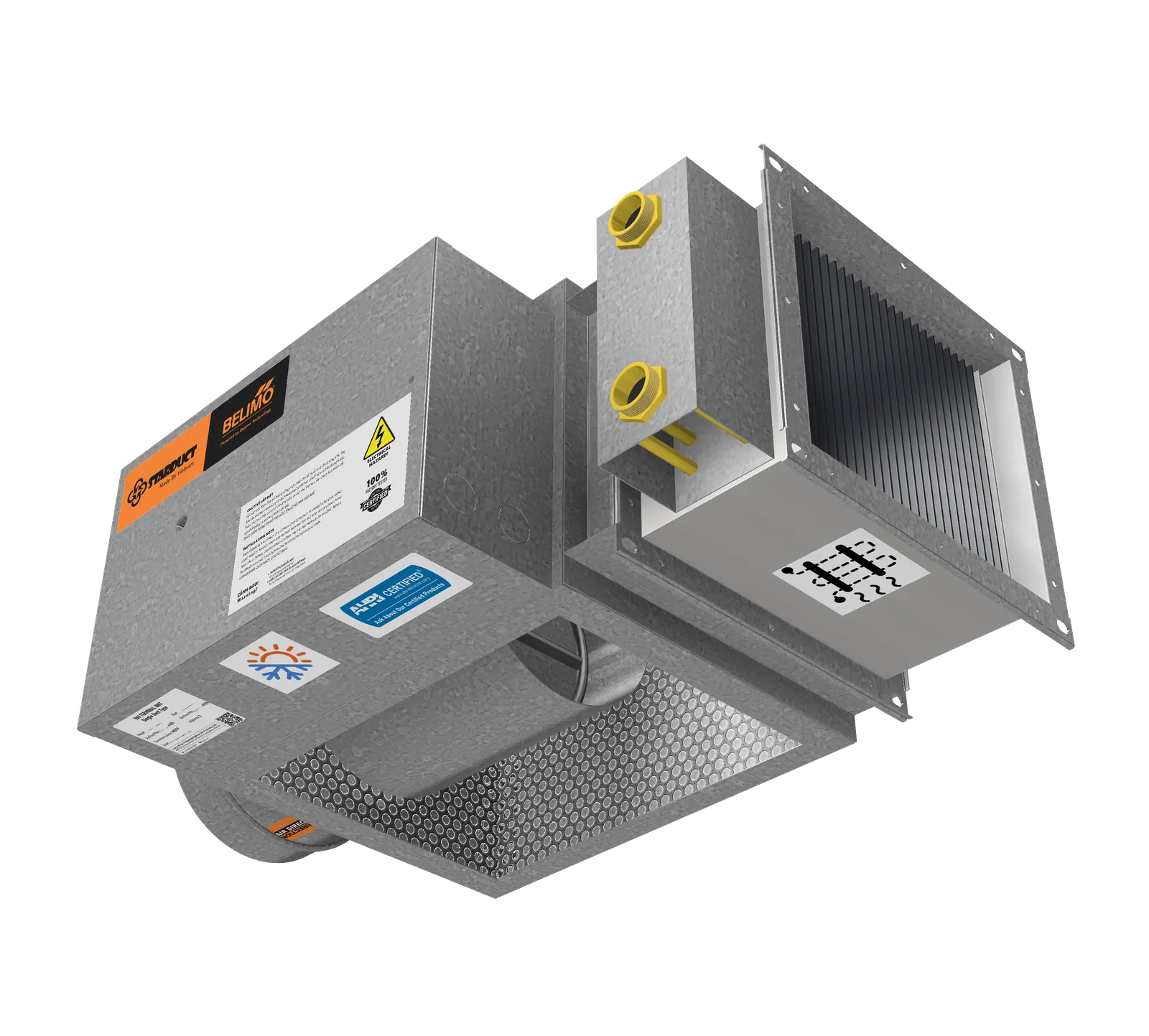
Introduction to VAV Box and VAV System
This document provides only the basic concepts and scope—serving as definitions—for topics related to VAV Box products and VAV systems
Read →
What is a VAV Box?
Once reliant on imports, Vietnam now produces high-quality VAV boxes locally. STARDUCT proudly stands as Vietnam’s first and only VAV manufacturer certified by AHRI 880—one of just 57 globally.
Read →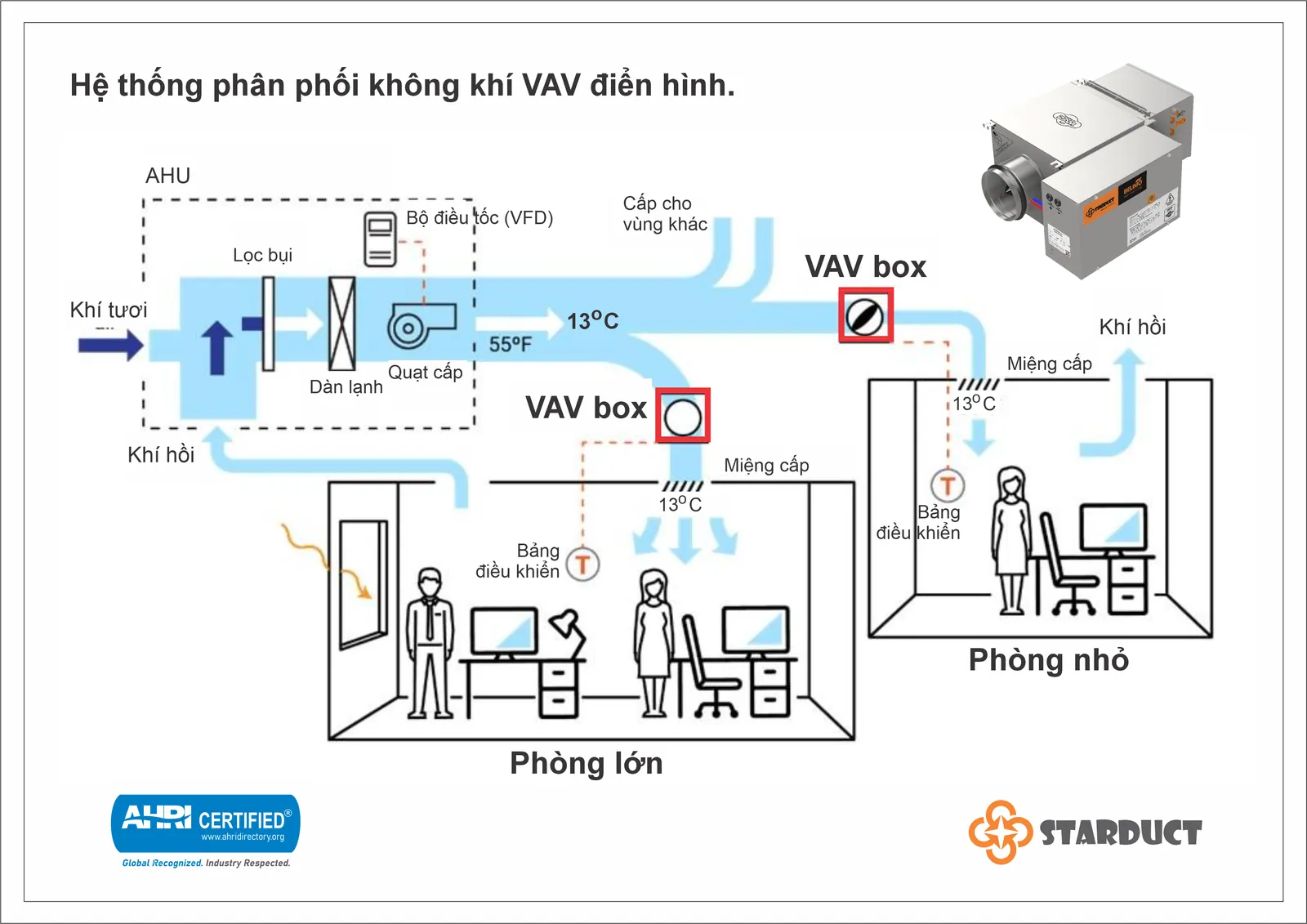
PART 2 - Efficient VAV System Design
“Designing an efficient VAV system requires an integrated approach—from accurate zone load calculations to optimized equipment selection, smart duct layout, and BAS-based control
Read →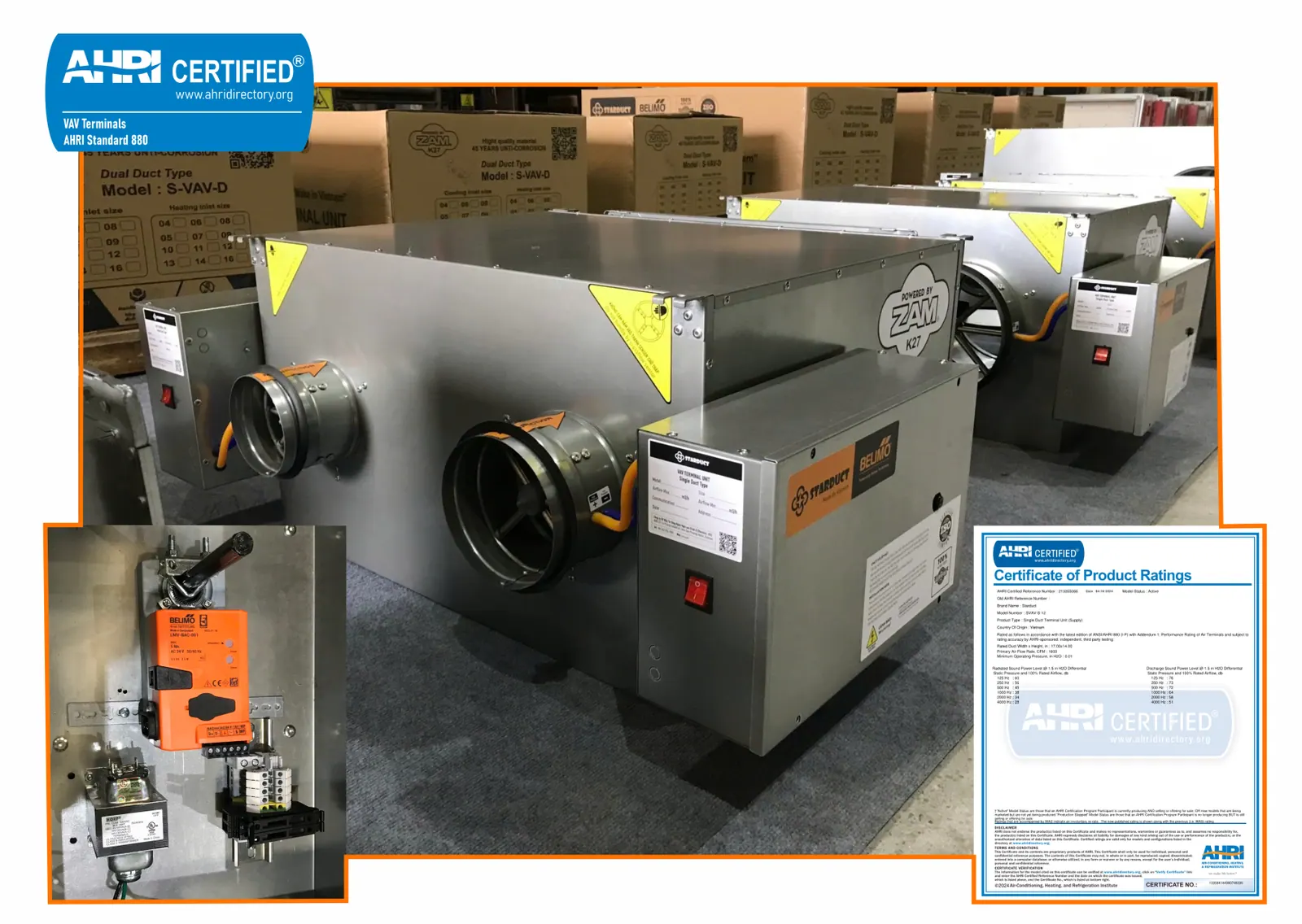
PART 3- VAV SYSTEM Control and Monitoring Strategies
“In the near future, we can expect VAV systems to be operated almost fully autonomously by AI—constantly maintaining the most comfortable environment at the lowest energy cost, while continuously learning to become more efficient over time.”
Read →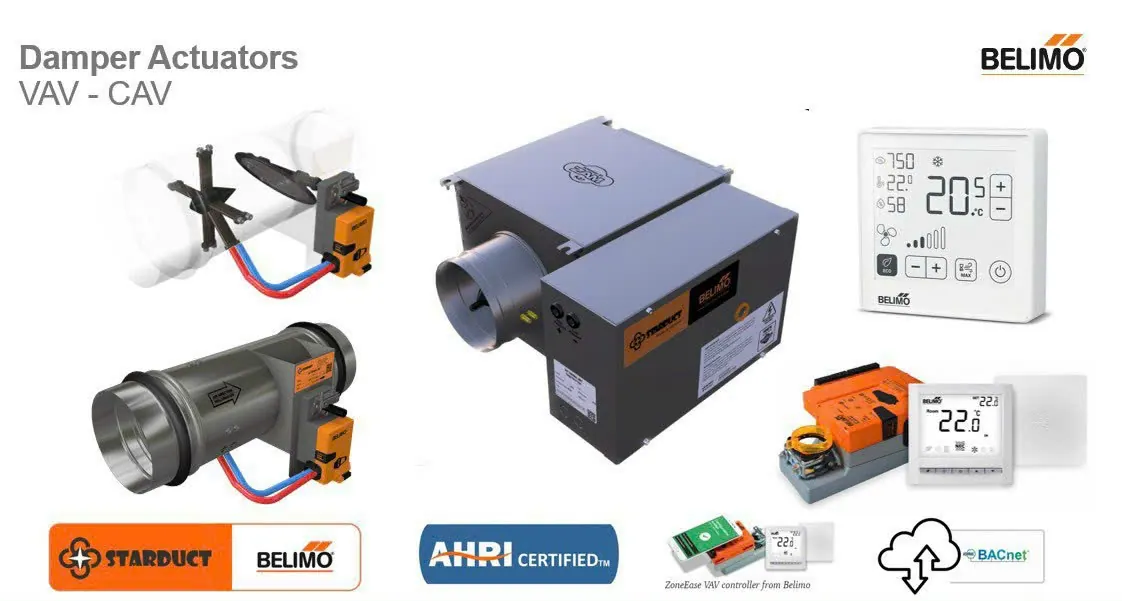
Part 4 – Notes on Installation, Operation, and Maintenance of VAV Systems
“VAV systems are highly efficient and energy-saving—provided we remember to inspect them regularly.”
Read →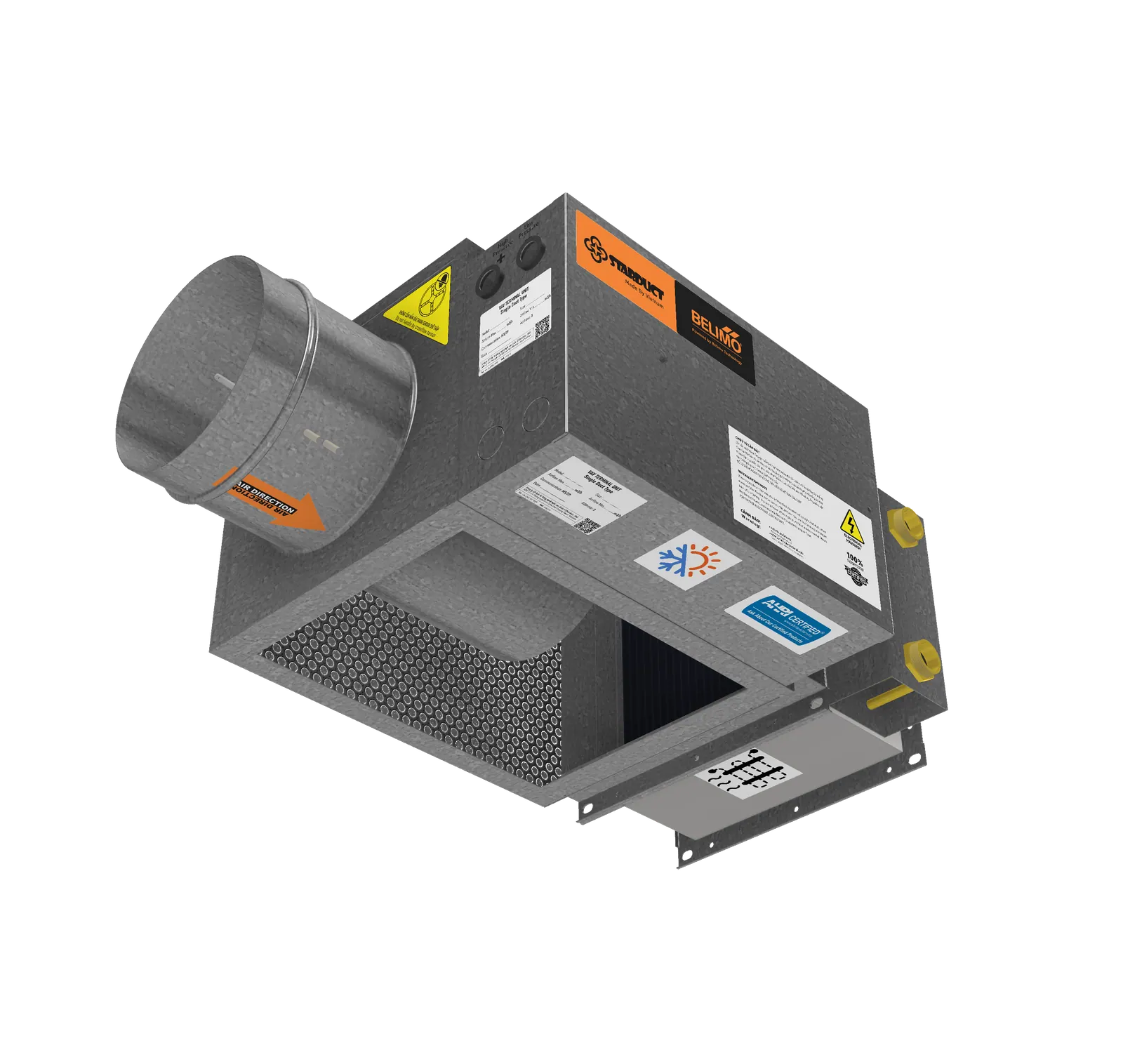
Part 1-Comparison of VAV and VRF Systems
In practice, many investors choose a hybrid solution: for example, using VRF systems for smaller or renovated spaces, and applying chiller/VAV systems for larger areas, in order to balance the advantages of both.
Read →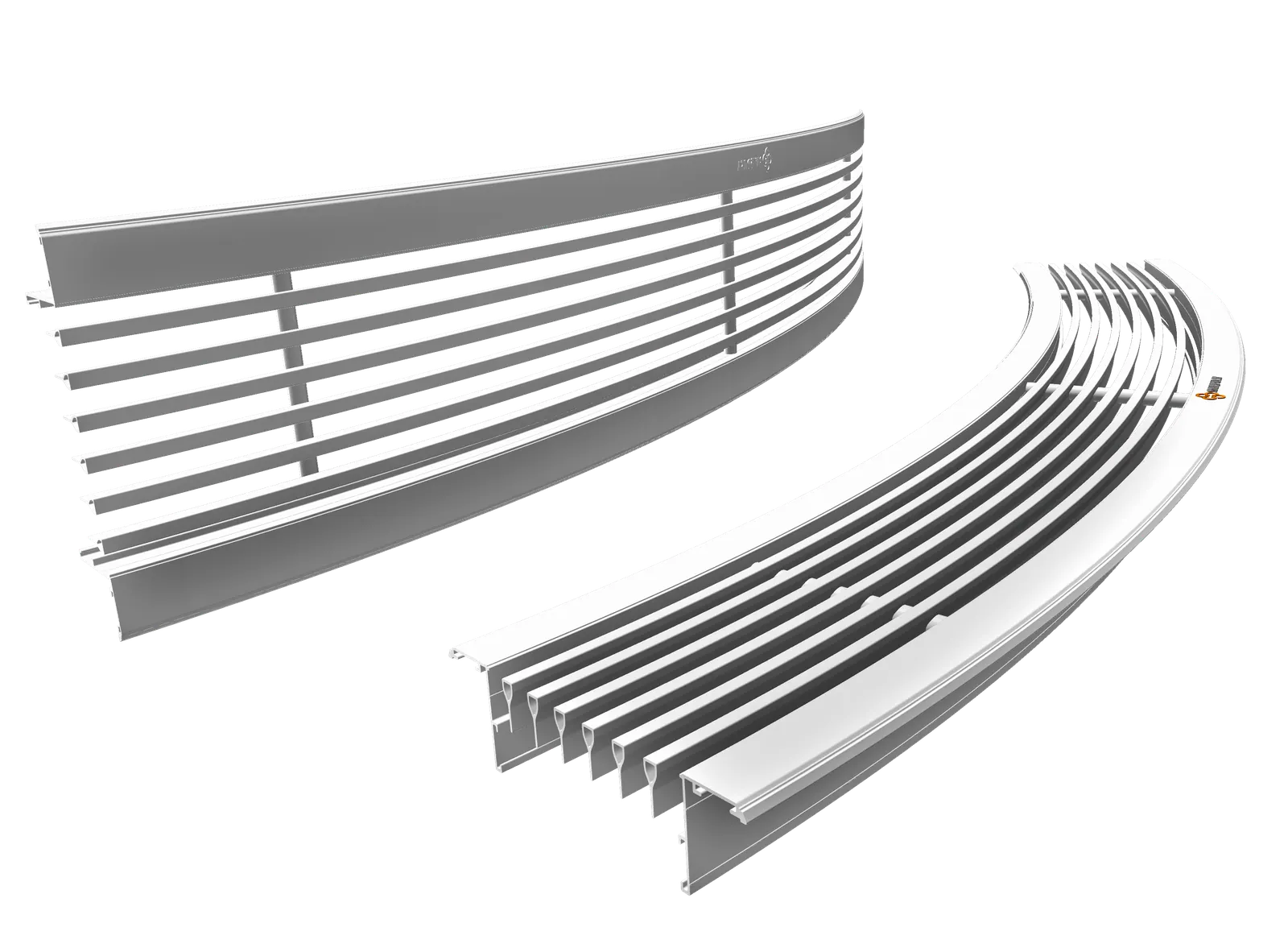
REMEDYING CONDENSATION AT CEILING-MOUNTED AIR OUTLETS
A common phenomenon • The frame and blade surfaces of the air outlet (ceiling-mounted type, connected to ductwork or directly to an FCU/AHU) develop condensation → water drips onto the floor, or soaks into the gypsum ceiling causing mould – damaging aesthetics and structure.
Read →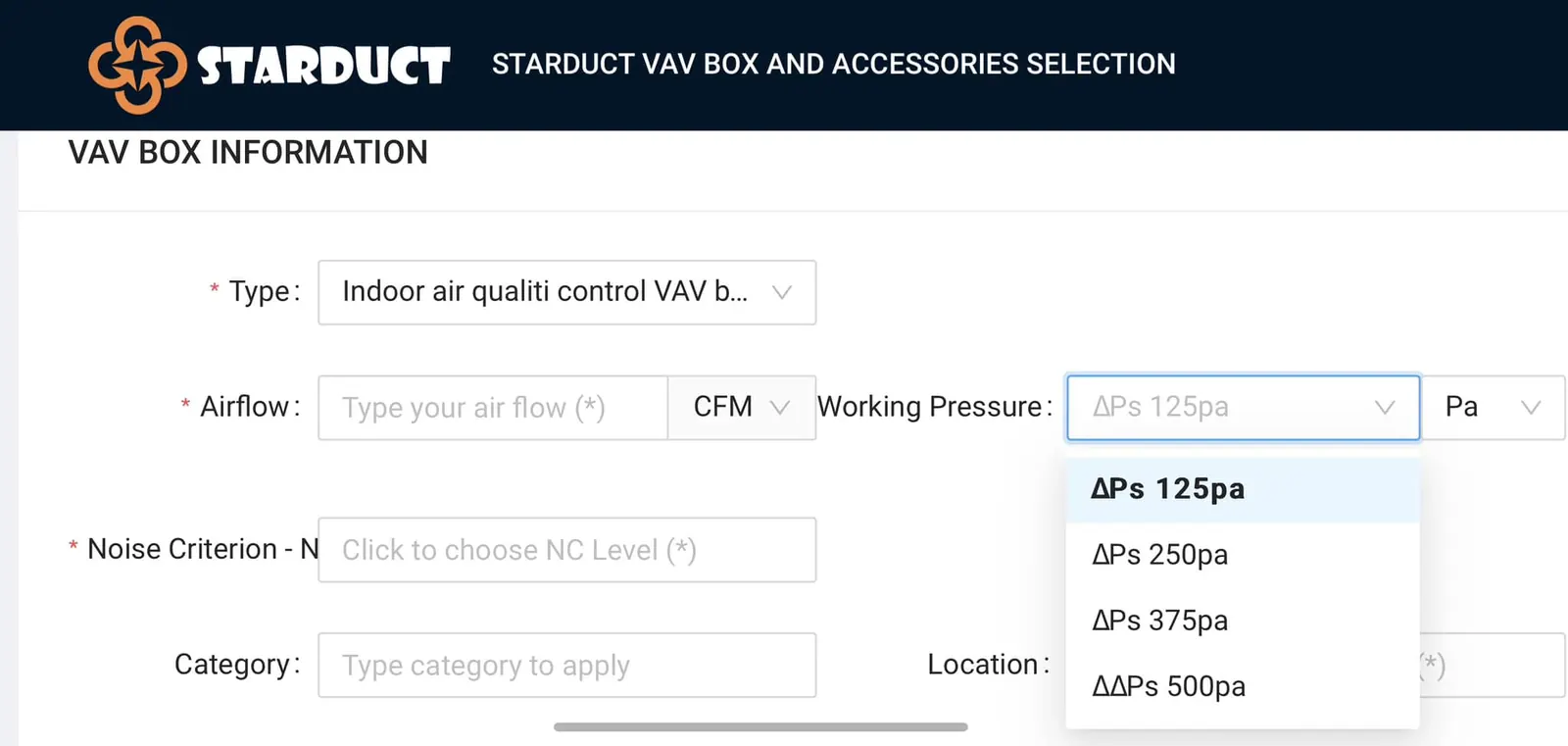
Starduct’s VAV Box Selection Software
Starduct’s VAV Box Selection Software is a specialized digital tool developed by Ngôi Sao Châu Á (NSCA) to support engineers, consultants, and procurement teams in selecting the most suitable VAV Box and related components for HVAC systems.
Read →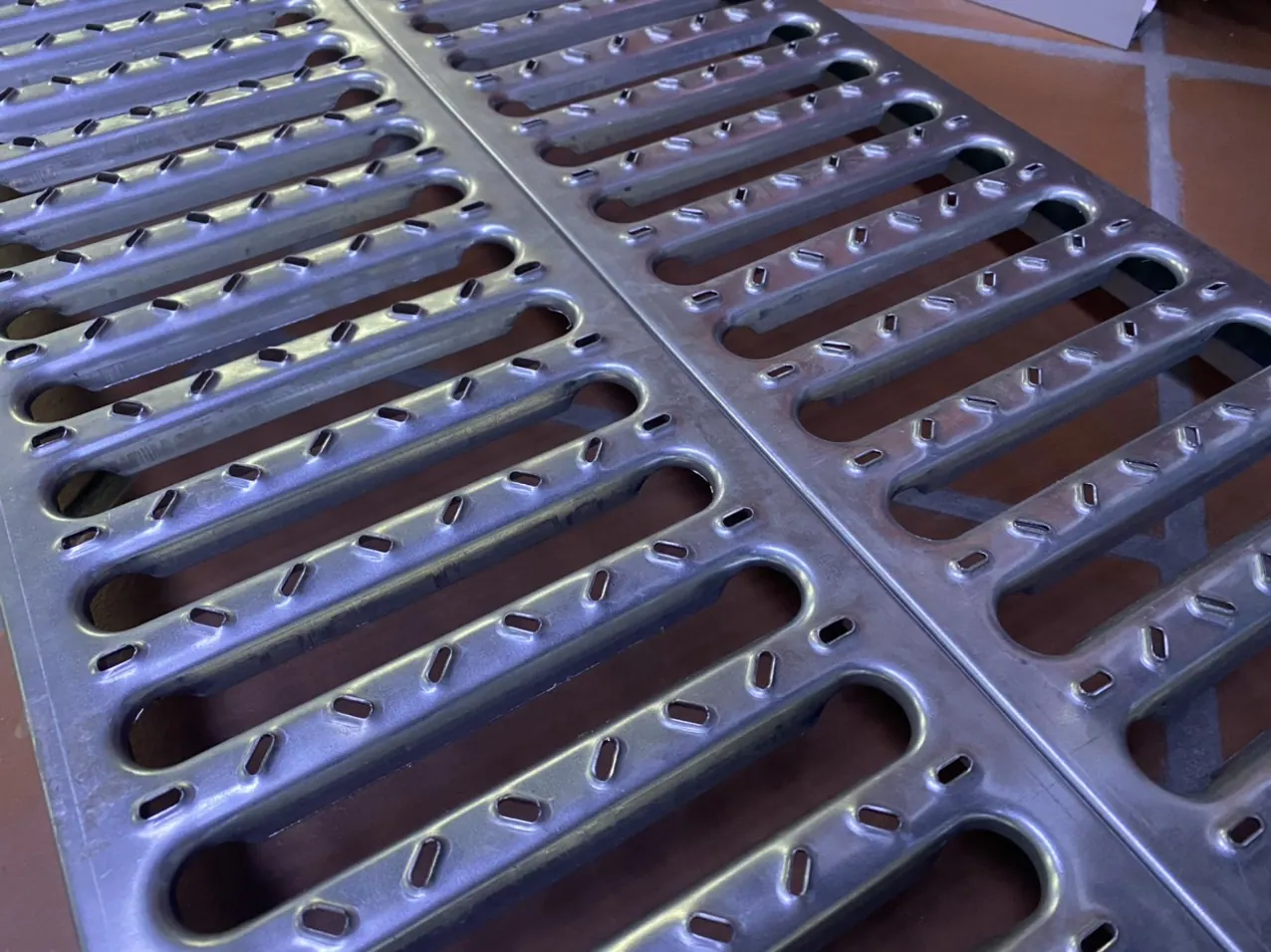
Unistar Work Platforms
Unistar Work Platforms by Ngôi Sao Châu Á (NSCA) are engineered to meet global safety and durability standards, making them ideal for industrial, commercial, and infrastructure applications.
Read →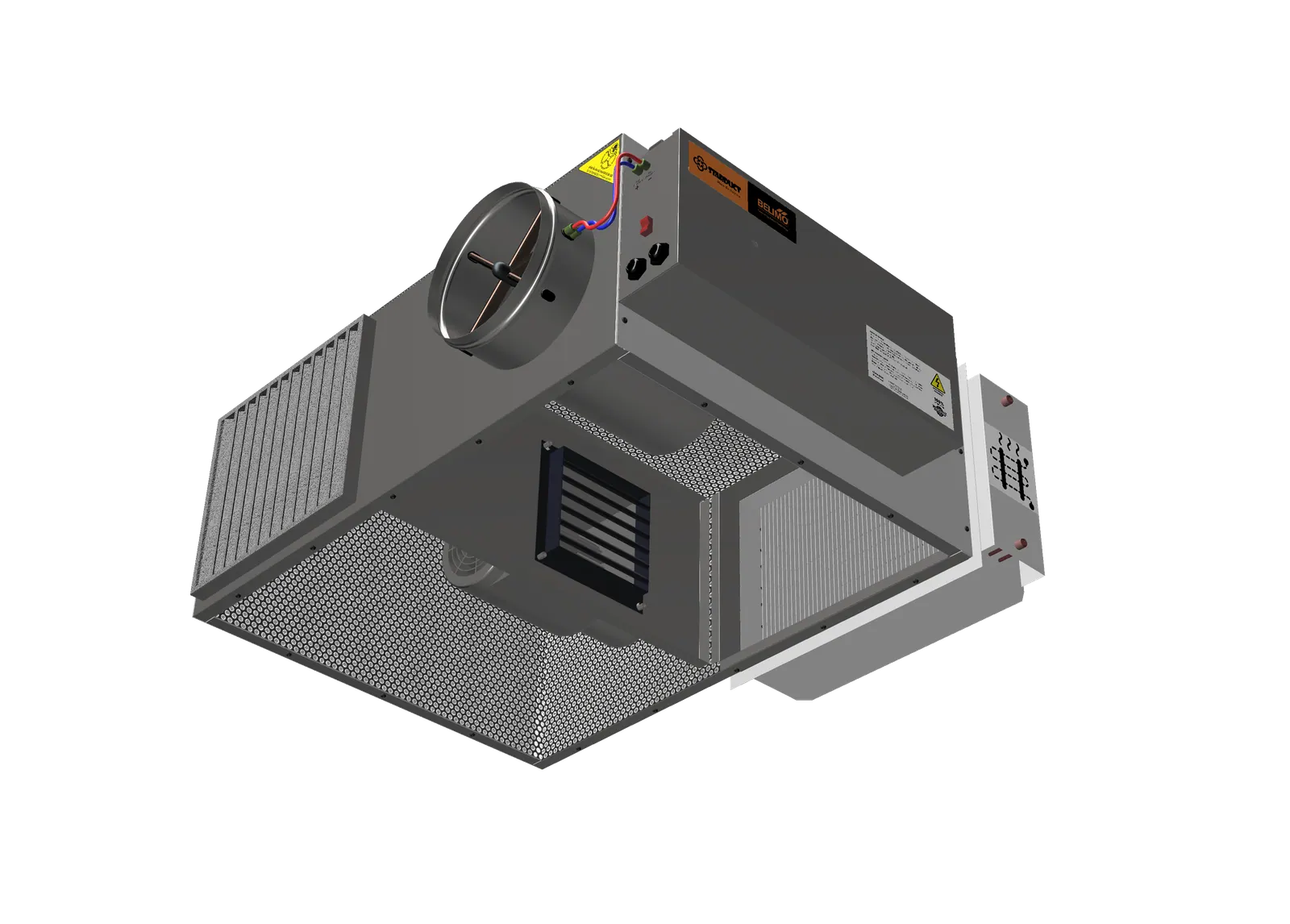
Starduct Fan-Powered VAV Box
The Starduct Fan-Powered VAV Box is a high-performance air distribution unit developed by Ngôi Sao Châu Á (NSCA) to meet advanced HVAC requirements in commercial and industrial buildings.
Read →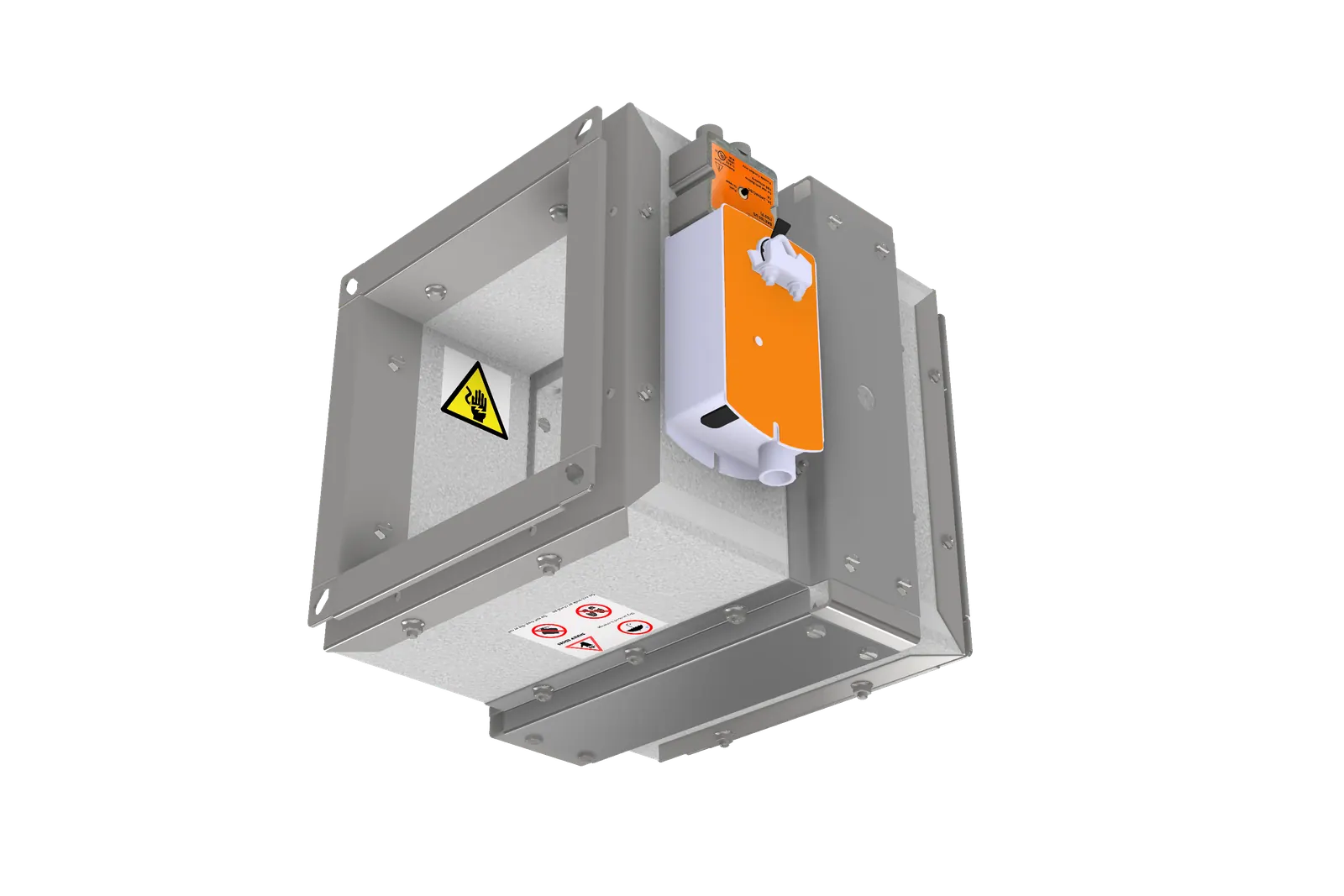
STARDUCT INSULATION FIRE DAMPER (EI120) EN1366-1
The Starduct Insulation Fire Damper (EI120) is a high-performance fire safety component developed by STAR ASIA (NSCA),
Read →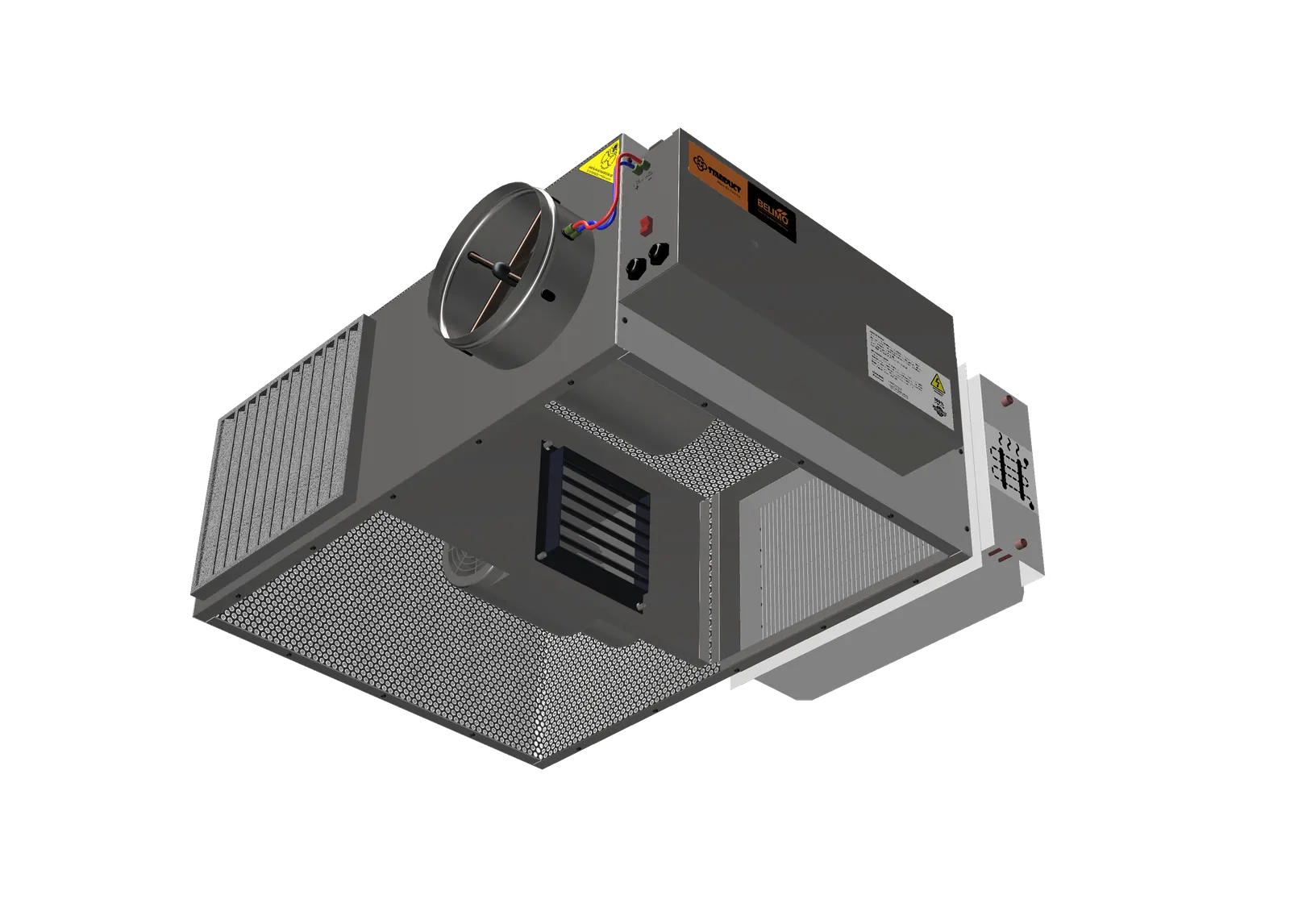
White Paper on Starduct VAV Boxes with and without fan-powered heating
Star Asia (NSCA) has officially released a White Paper on Starduct VAV Boxes with and without fan-powered heating, published on March 29, 2025.
Read →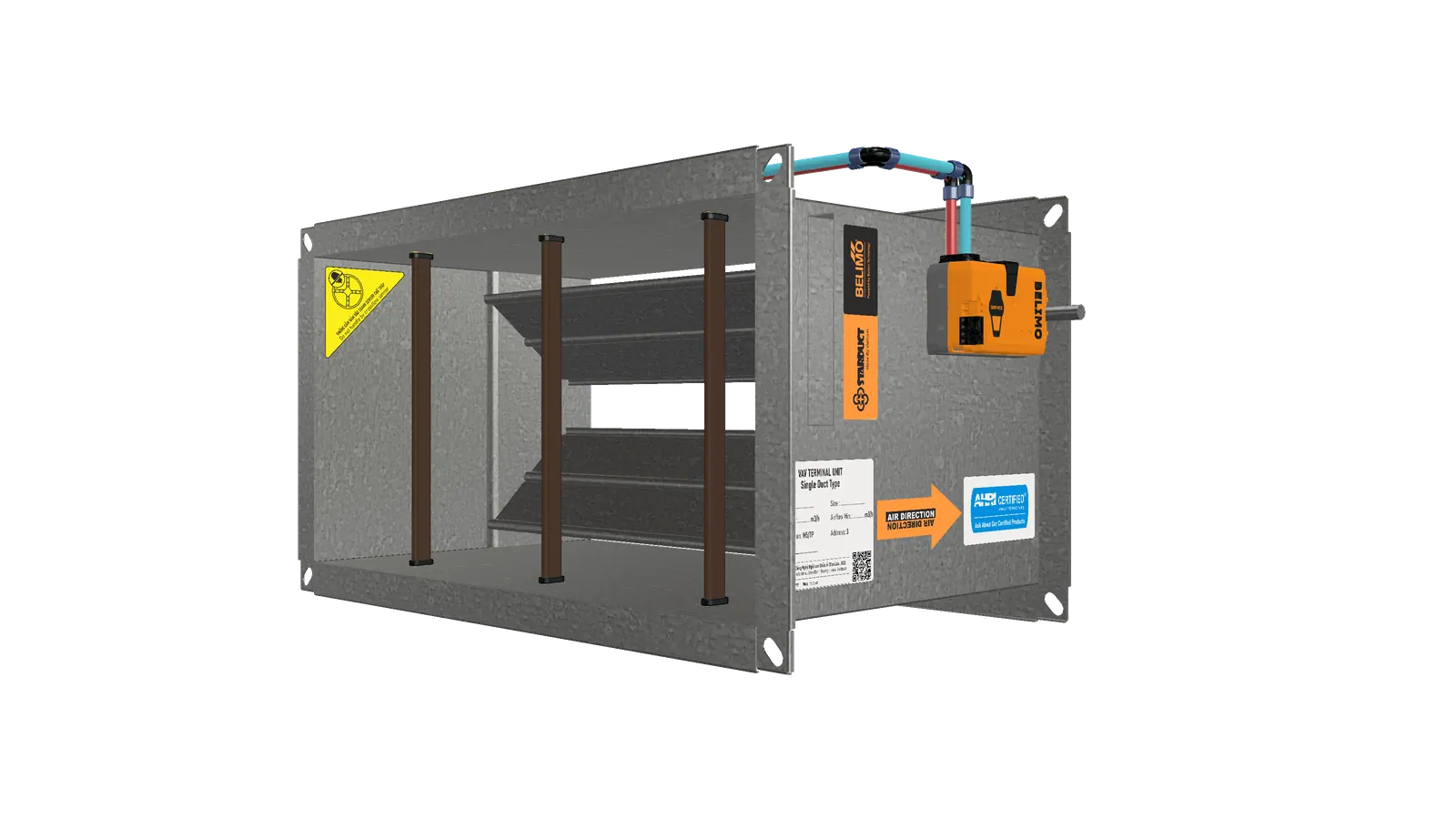
Starduct VAV COMPACT
The Starduct VAV COMPACT – Variable Air Volume Damper is a compact, high-performance air control unit designed by Ngôi Sao Châu Á (NSCA) for hot and cool air supply applications in modern HVAC systems.
Read →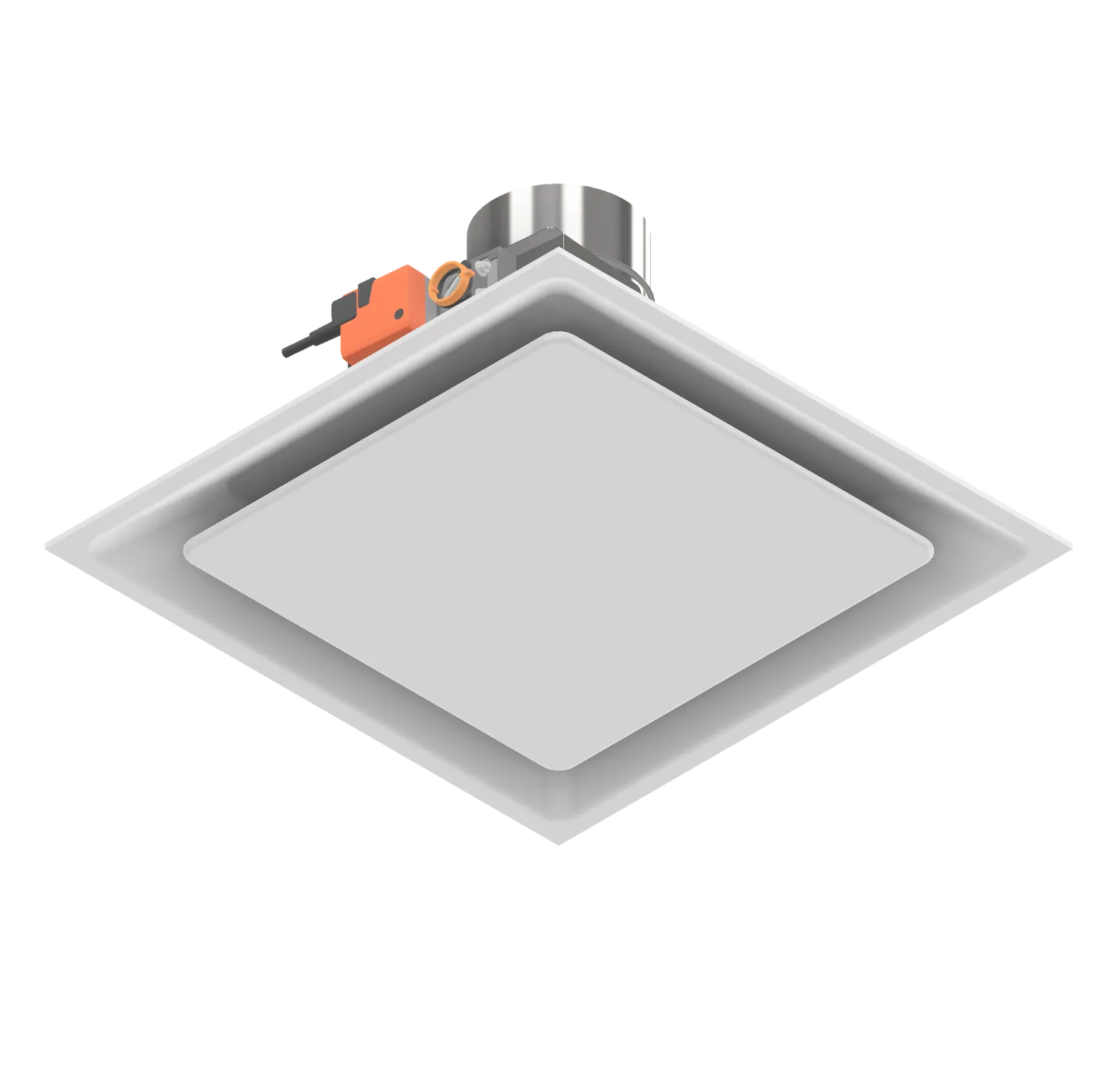
Guide to Selecting the Right Air Outlet for HVAC Systems (White Paper)
The purpose of this document is to provide in-depth guidance to help MEP engineers and project owners select the right air outlets for every type of building – from residential and commercial to industrial
Read →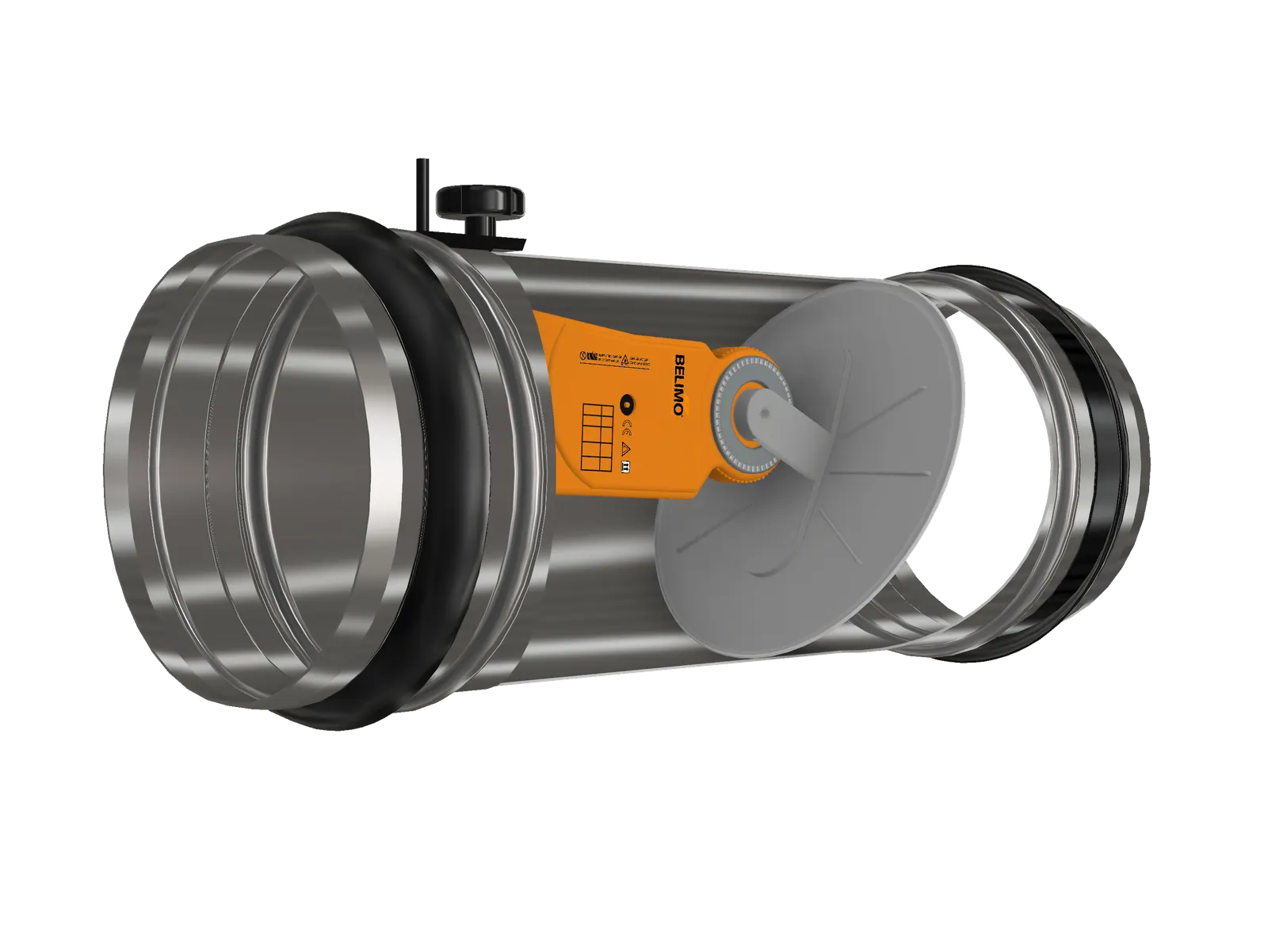
CLASSIFICATION OF DAMPERS IN HVAC AND FIRE PROTECTION
A more detailed look at the applications, operating conditions and how to decide which type of damper to use, in line with the SMACNA, AMCA, ASHRAE and QCVN0 06:2021/BXD technical standards commonly applied in residential, commercial and industrial buildings
Read →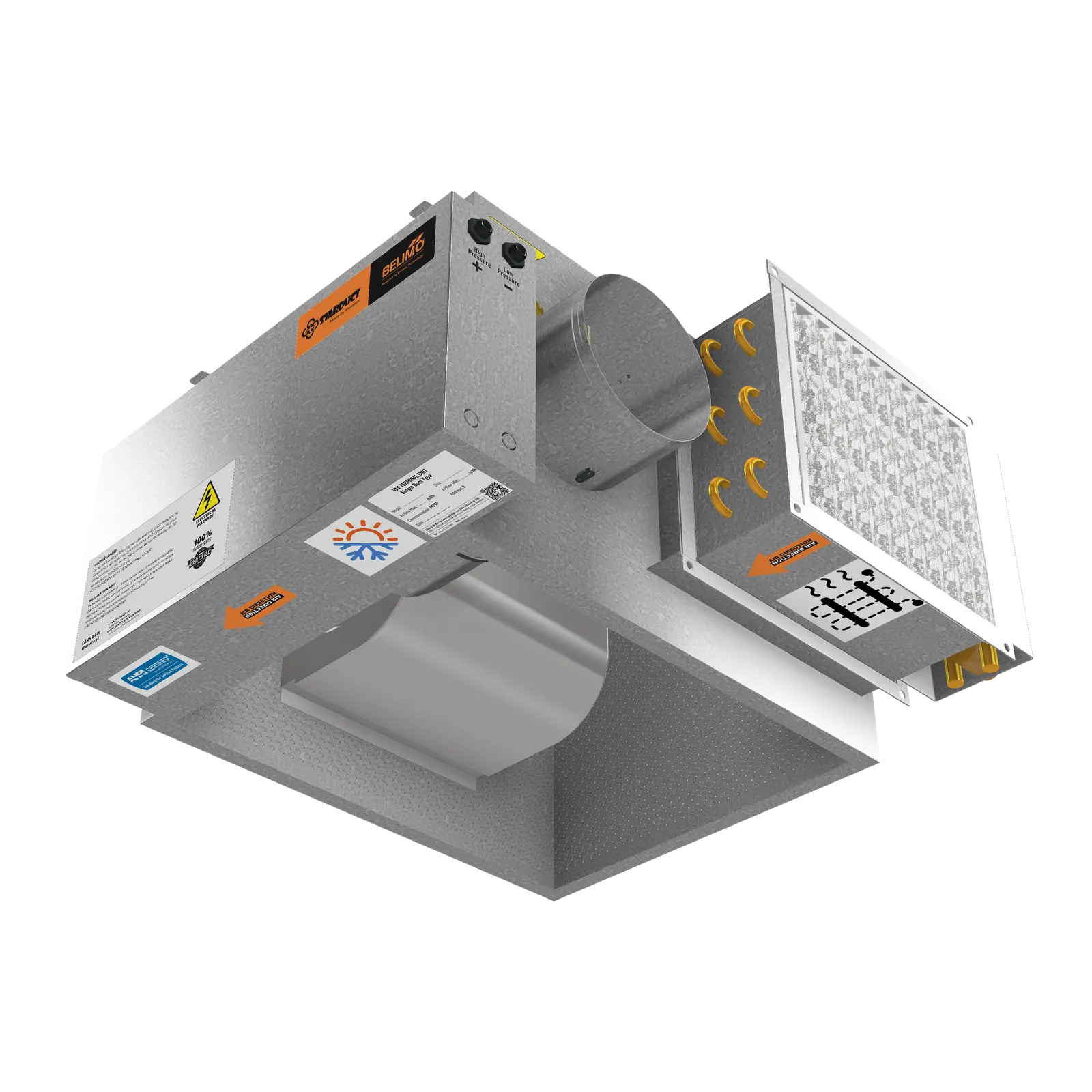
STARDUCT PUBLISHES A WHITE PAPER ON HEATED VAV BOXES WITH AND WITHOUT FAN ASSISTANCE
VAV BOXES WITH DIRECT REHEAT (SINGLE DUCT) AND WITH PARALLEL OR SERIES FAN ASSISTANCE (FAN POWERED)
Read →
INTRODUCING STARDUCT CABLE LADDER AND CABLE TRAY
Starduct cable ladder and cable tray is a flagship product of Star Asia Technological Investment JSC (NSCA)
Read →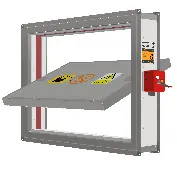
Comparison of ISO 21925 and EN 1366 Compliance and Equivalence Analysis
Final Verdict: ISO 21925 is Not a Direct Substitute for EN 1366
Read →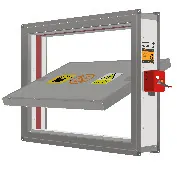
Fire Dampers: KEY TERMS AND CONCEPTS TO KNOW
What is the main purpose of a fire damper in an HVAC system?
Read →
ISO 21925 AND EN 1366: WHICH STANDARD IS MORE WIDELY USED?
An overview of ISO 21925 and EN 1366
Read →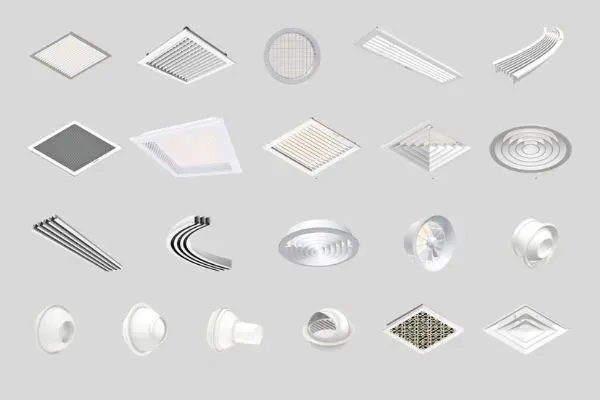
WHAT SETS THE QUALITY OF STARDUCT AIR OUTLETS APART
WATCH THE DETAILS: https://www.youtube.com/watch?v=cafHP5Ax-7k
Read →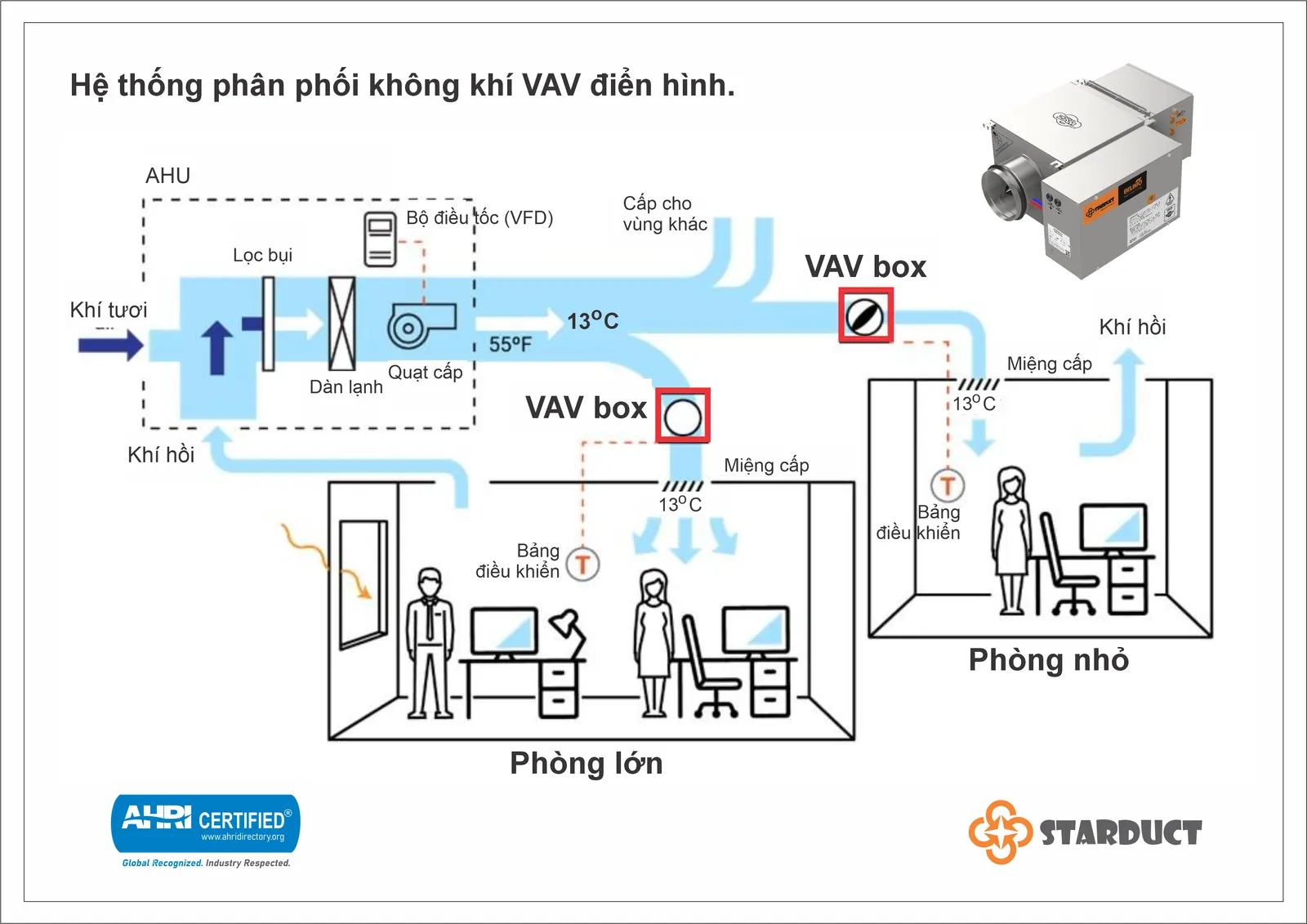
VAV (Variable Air Volume) – Operating Principle
VAV (Variable Air Volume) – Operating Principle
Read →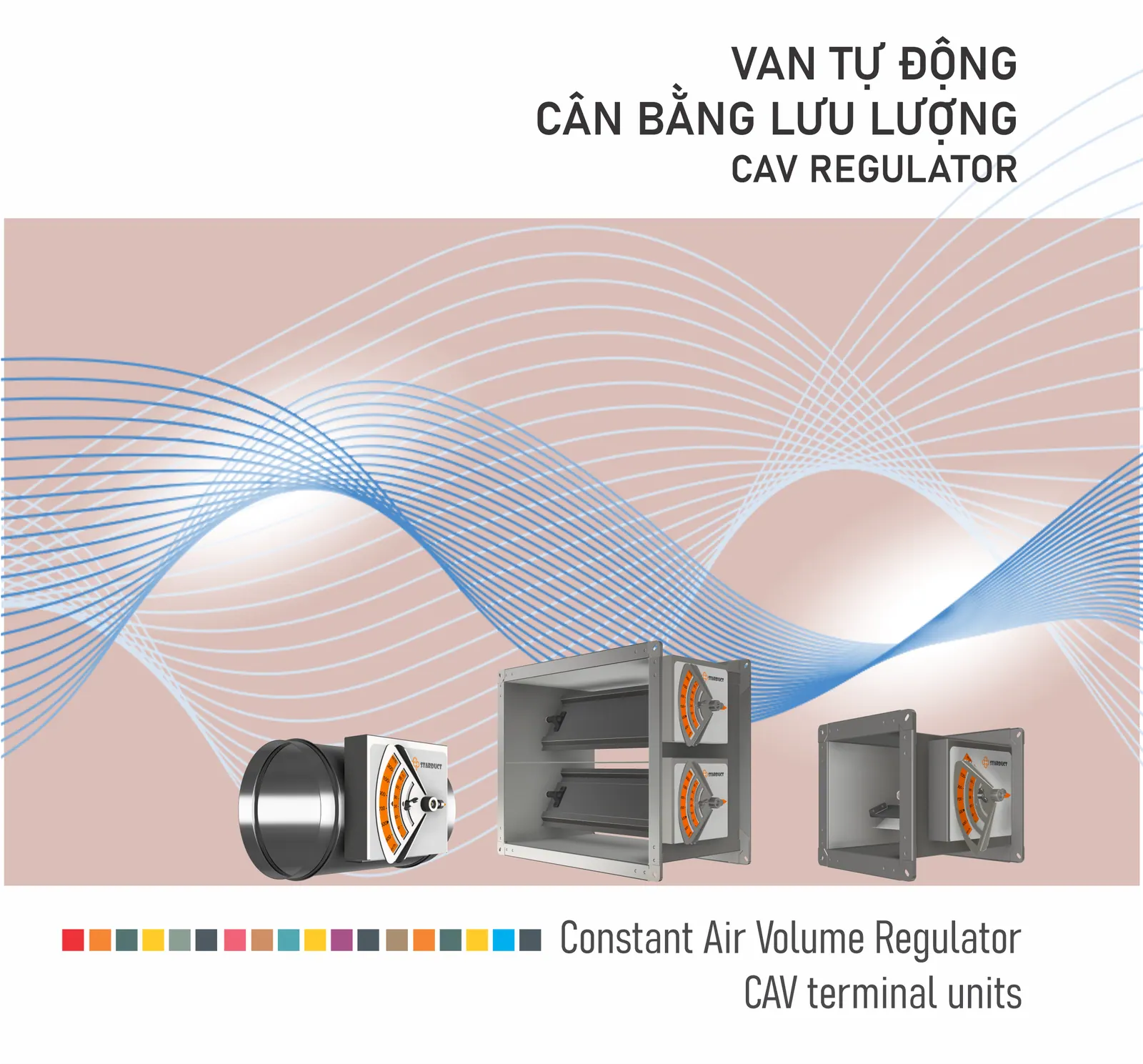
Comparison Between VAV and CAV Systems
Comparison Between VAV and CAV Systems
Read →
NOISE AND REDUCES NOISE METHODS
NOISE AND REDUCES NOISE METHODS
Read →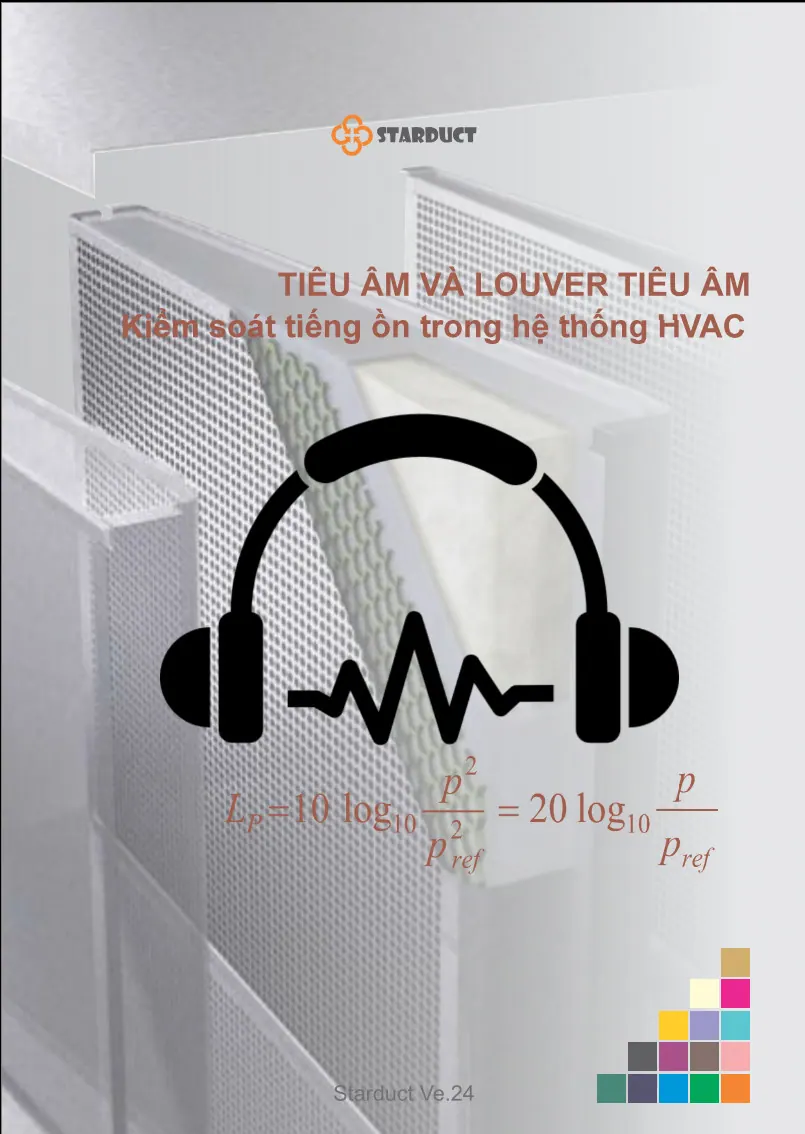
SOME CONCEPTS IN SILENCERS AND NOISE REDUCTION
Technical terms to understand clearly and distinguish in silencer and acoustic louver products
Read →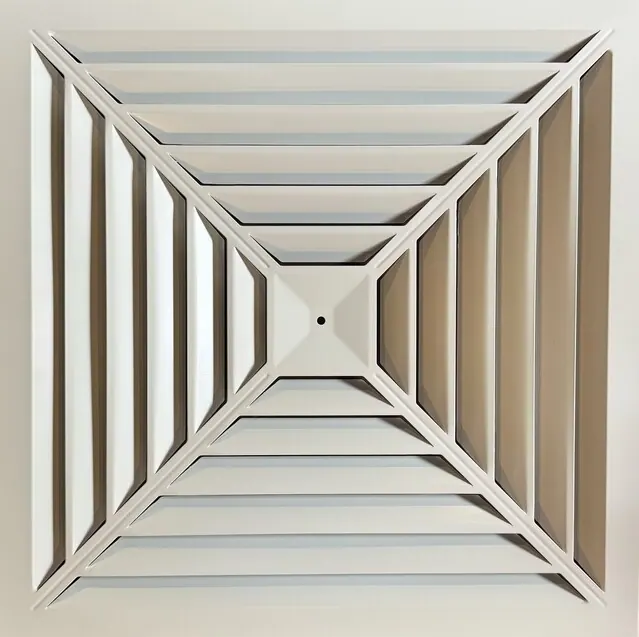
SQUARE AIR OUTLET
Star Asia Technological Investment JSC (NSCA) has always pioneered the research and development of advanced technology products, delivering effective solutions for life and work.
Read →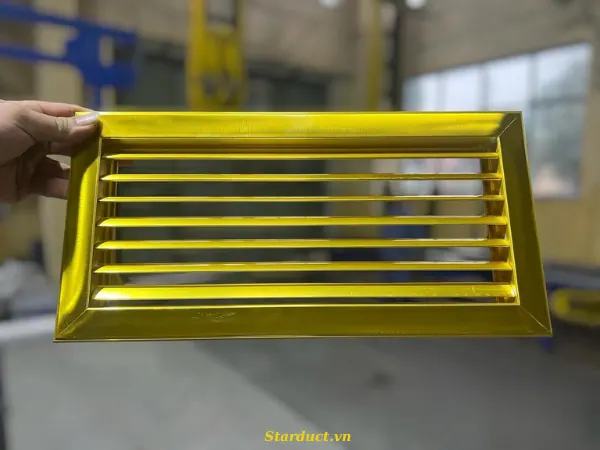
GOLD-PLATED AIR OUTLETS
Now with new technology. NSCA's gold-plated air outlets can carry a lifetime warranty.
Read →
DURABLE - GOOD - LOW PRICE
The standout differences of the one-piece pressed diffuser
Read →
THE IMPORTANT DIFFERENCES BETWEEN FIRE DAMPERS AND SMOKE DAMPERS
By compartmentalising fire, passive fire protection systems can: - Increase the effectiveness of active fire protection systems Ÿ Create favourable conditions for the evacuation of people - Protect property - Minimise damage
Read →
THE HARMFUL EFFECTS OF SMOKE IN FIRES
By LARRY FELKER, Belimo Americas, Reno NV Everyone knows that inhaling smoke can be fatal, but the long-term effects on survivors can also be devastating and physically irreversible.
Read →
FIRE DAMPERS: The Core of Fire Protection Design
Automatically closing fire/smoke dampers and fans in HVAC systems are effective in preventing the spread of smoke, fire and heat in the event of a fire. Article by VICKIE LOVELL INTERCODE INC., DELRAY BEACH, FLA.
Read →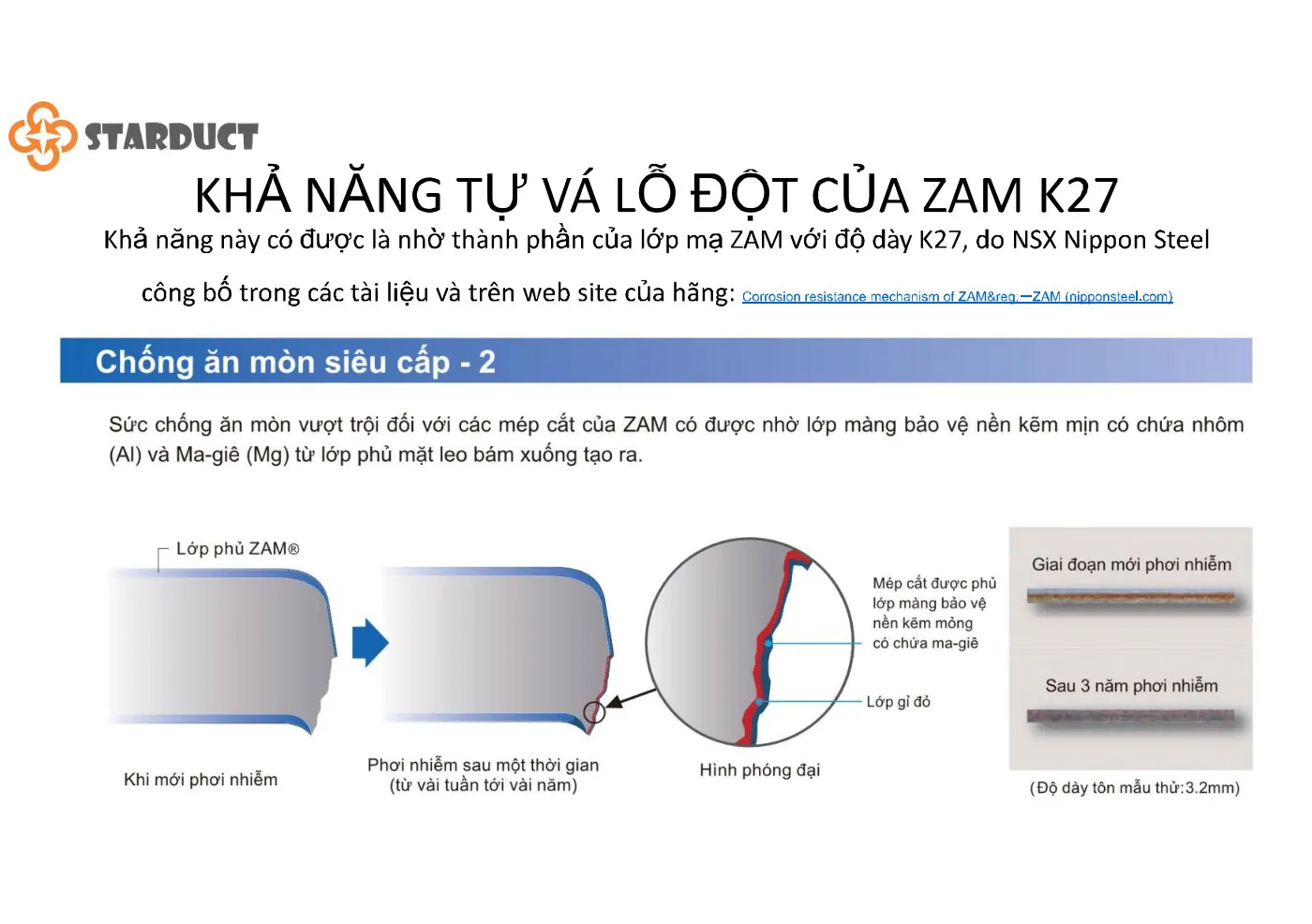
ZAM - THE COATING OF THE 21ST CENTURY
The self-healing ability of Nippon Steel's ZAM material at punched-hole edges
Read →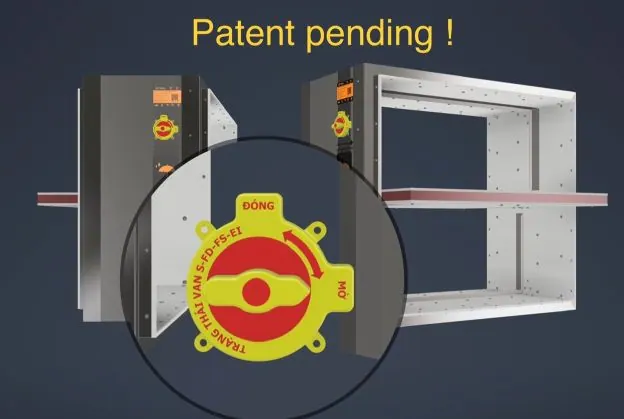
Turning a Product's Weaknesses into a New Invention
An NSCA product protected by an exclusive invention patent
Read →No posts in this topic yet.